San Antonio Root Canals
An average of 17 million teeth are saved by root canal therapy each year through our root canal procedures. Stopping the pain and keeping the tooth is a good and the most logical solution. If you are looking for San Antonio root canals, you will find the following information useful.
Signs You May Need Root Canals
There are certain signs that are an indication that you could possibly have a diseased tooth or infected nerve and as a result, may need a root canal from a San Antonio TX cosmetic dentist. These signs include:
- Minimal to severe pain.
- Discoloration of the tooth.
- Surrounding gum tissue that is either swelling and
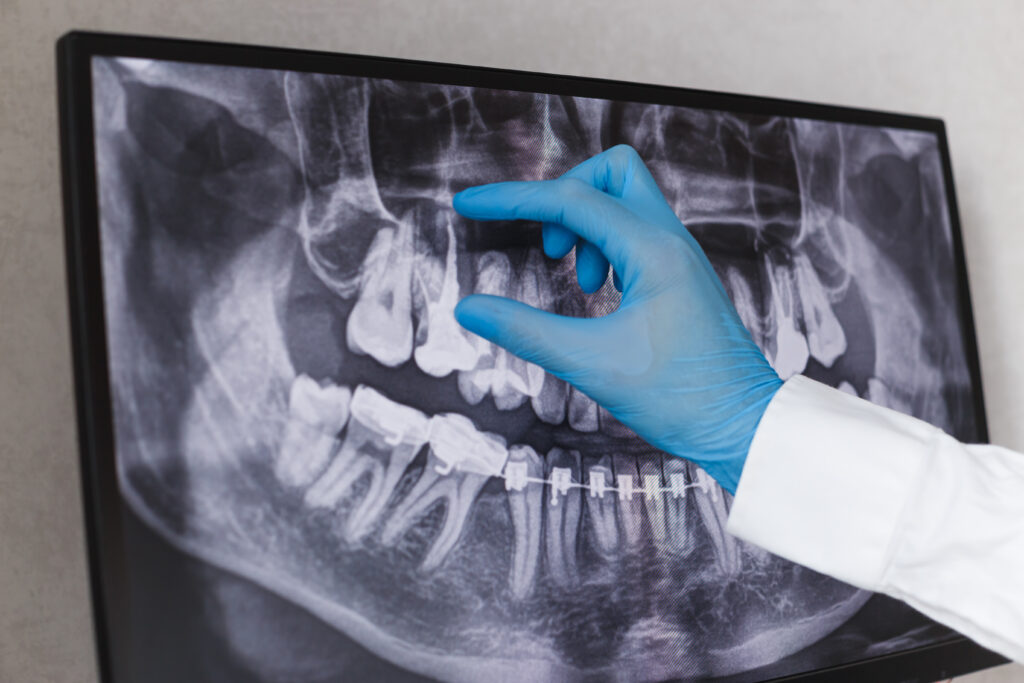
- Signs of infection visible on a radiograph.
Typically, dentists will recommend a root canal procedure in such situations to try and save the affected tooth and preserve its functionality.
Why Are the Associated Toothaches So Painful?
Nerve fibers, blood, and lymph tissues are housed in the root canals. A pulp chamber that funnels into those root canals is located inside each tooth.
A tooth may become inflamed or infected for several reasons, including severe tooth decay or a crack or chip in the tooth. Failing restorations such as dental fillings and dental crowns can cause bacterial leakage into the dental pulp. Once infected, the dental pulp begins to die and the body’s inflammatory responses set it. Combining infection and inflammation can cause significant pain ending with a toothache. These toothaches often require the help of a root canal or other cosmetic dentistry procedure.
When tooth extraction is the only solution, the missing tooth may be replaced with a dental implant or dental bridge by a cosmetic dentist to maintain its normal functions. After replacing the missing tooth, a proper bite is maintained and the shifting of the surrounding teeth is prevented. Since having a severe infection can be extremely dangerous, receiving a professional evaluation by a dentist who can look deeper into the cause of the toothache is very important. If an infection eventually spreads beyond the jaw to the head and neck, more extensive medical treatment, including the possibility of hospitalization, may be needed.
What is the Root Canal Procedure?
A root canal is a dental procedure that is necessary when a dentist wants to remove diseased pulp tissue from the interior of a tooth. To properly understand the root canal procedure, it is important to understand the makeup of a tooth.
There are three main components that make up a tooth: a hard protective shell known as enamel, a softer and sensitive middle layer usually referred to as dentin and a soft tissue inner layer that dentists refer to as dental pulp. Dental pulp is made up of nerve tissue, lymph tissue and blood vessels, and is thought to be the vital part of a tooth. When dental pulp is sufficiently traumatized, either by exposure to oral bacteria through deep dental caries, a fracture in the tooth that enters the pulp or a forceful blow to the face, the tooth begins to die and root canal therapy will most likely be required so you can prevent and possibly eliminate infection and prevent the possibility of losing the tooth.
A root canal procedure always involves disinfection of the problematic tooth and getting rid of all the debris such as nerve tissue, lymph tissue, blood tissue, bacteria and infection from the coronal pulp chamber and its associated canals. After being sufficiently cleansed and shaped, a patient’s tooth canals are filled with materials that are designed to prevent infection from recurring and the pain that is associated with it.
During a root canal, the area is completely numbed up, and then the narrow channels under the pulp chamber in the inner part of the tooth are made hollow and cleaned, and the roots are then filed with flexible nickel titanium files.
For more information on root canals, Invisalign, teeth whitening, dental veneers or other cosmetic dentistry, contact us.