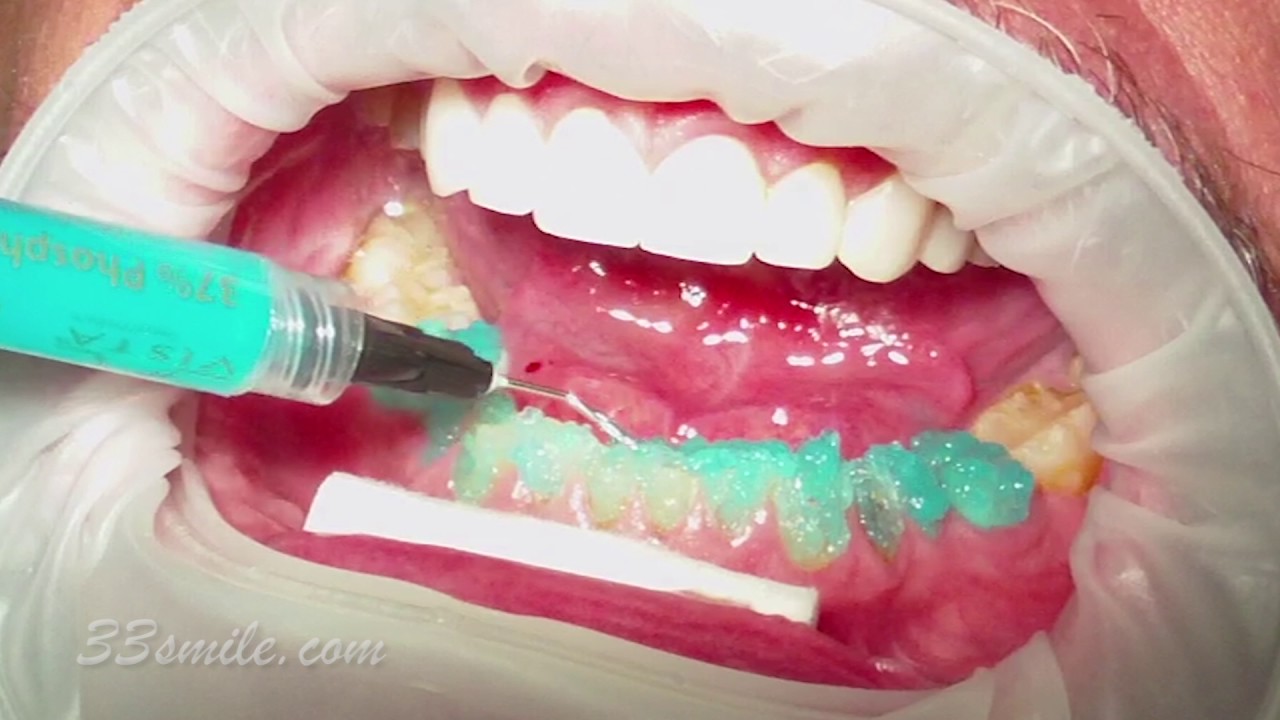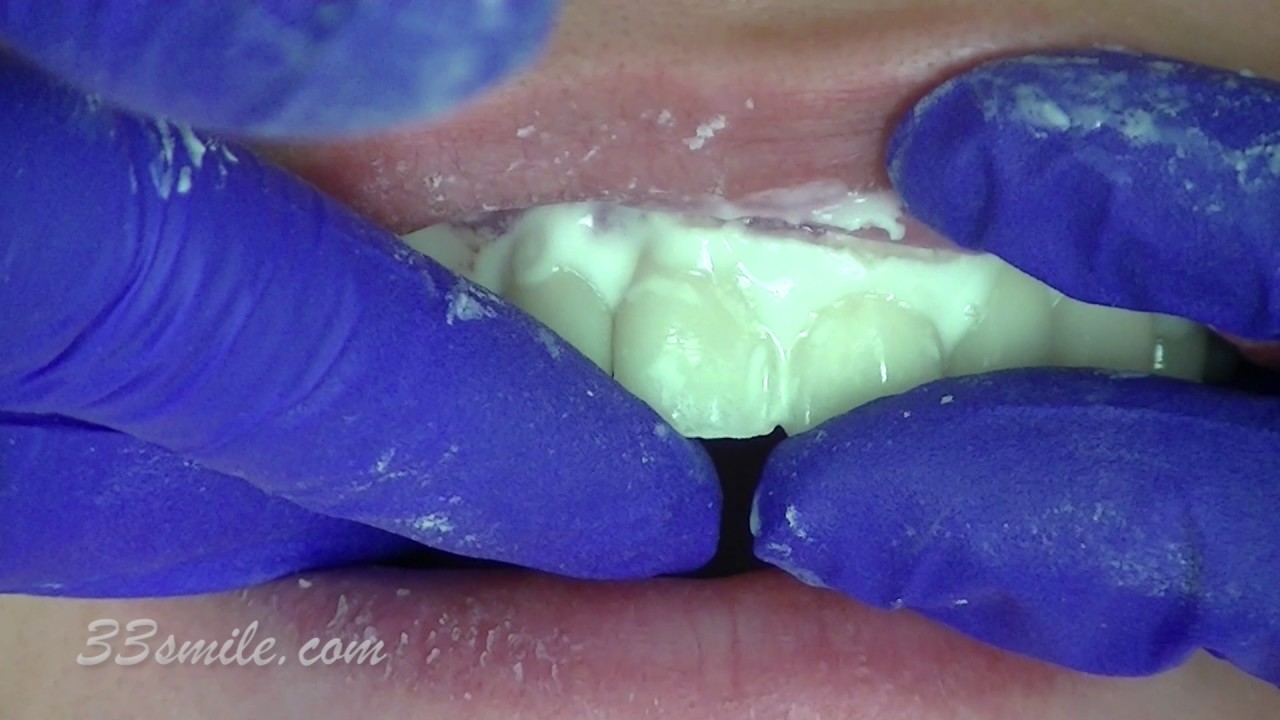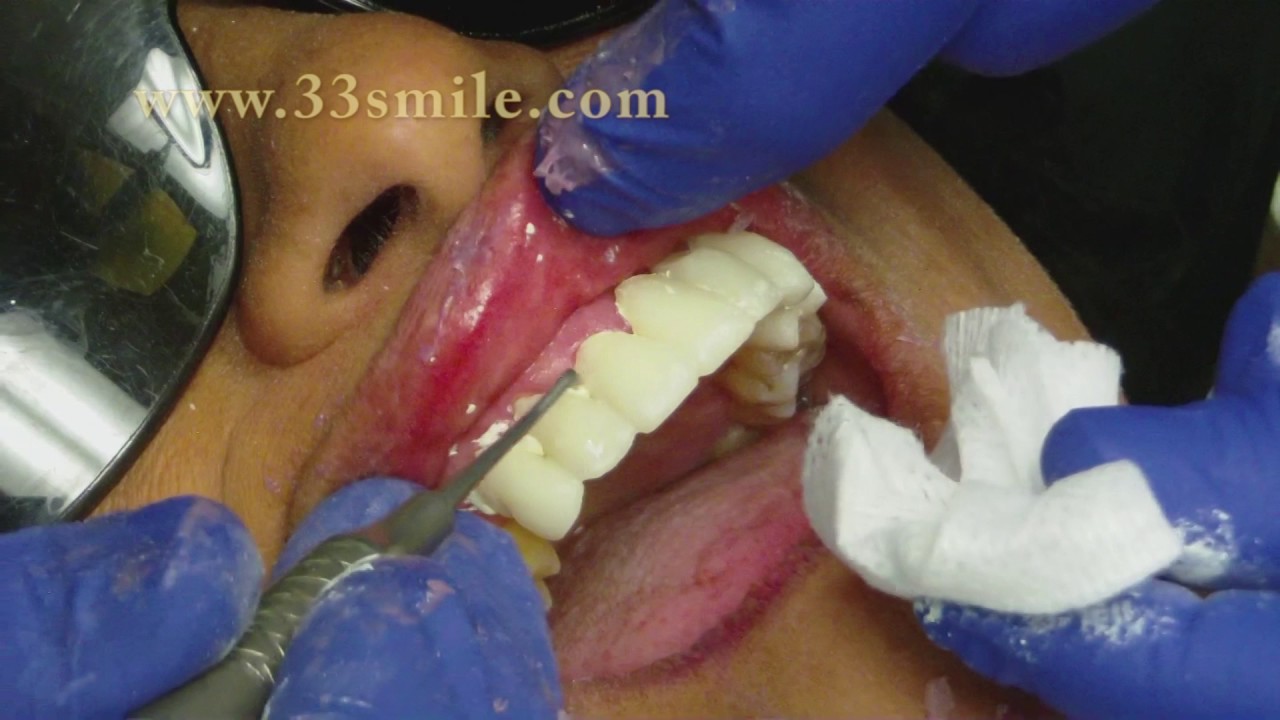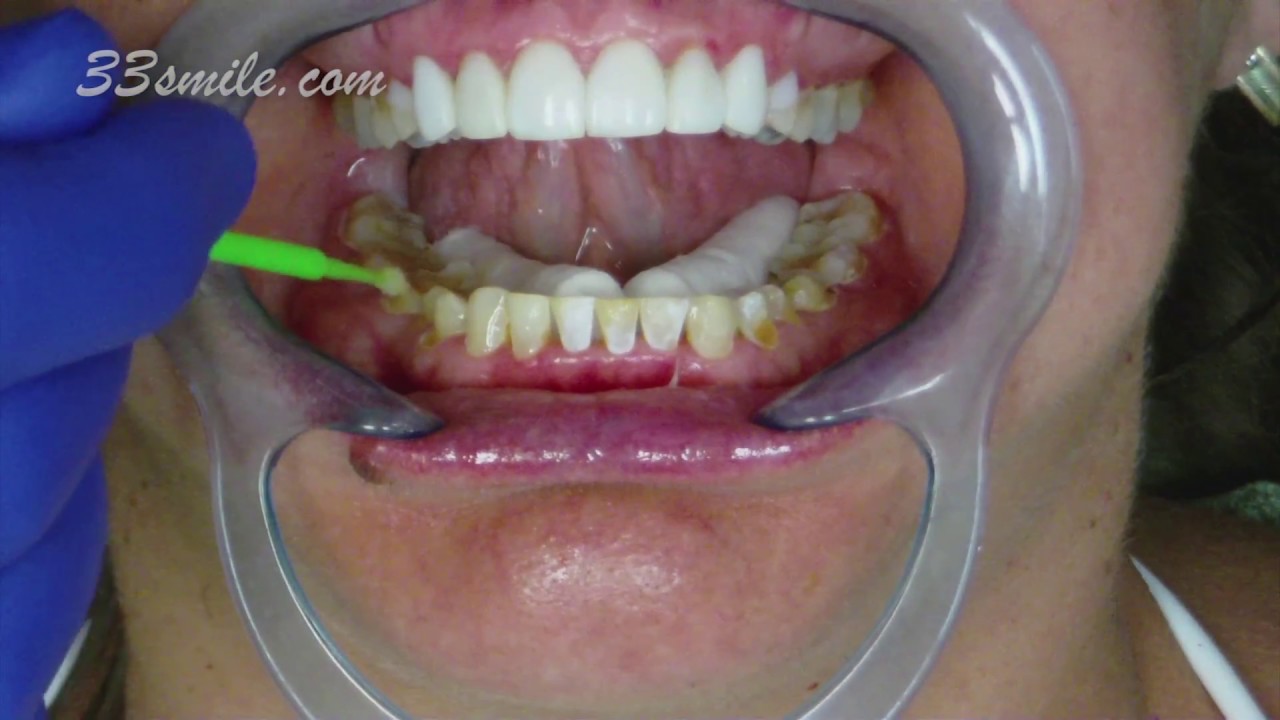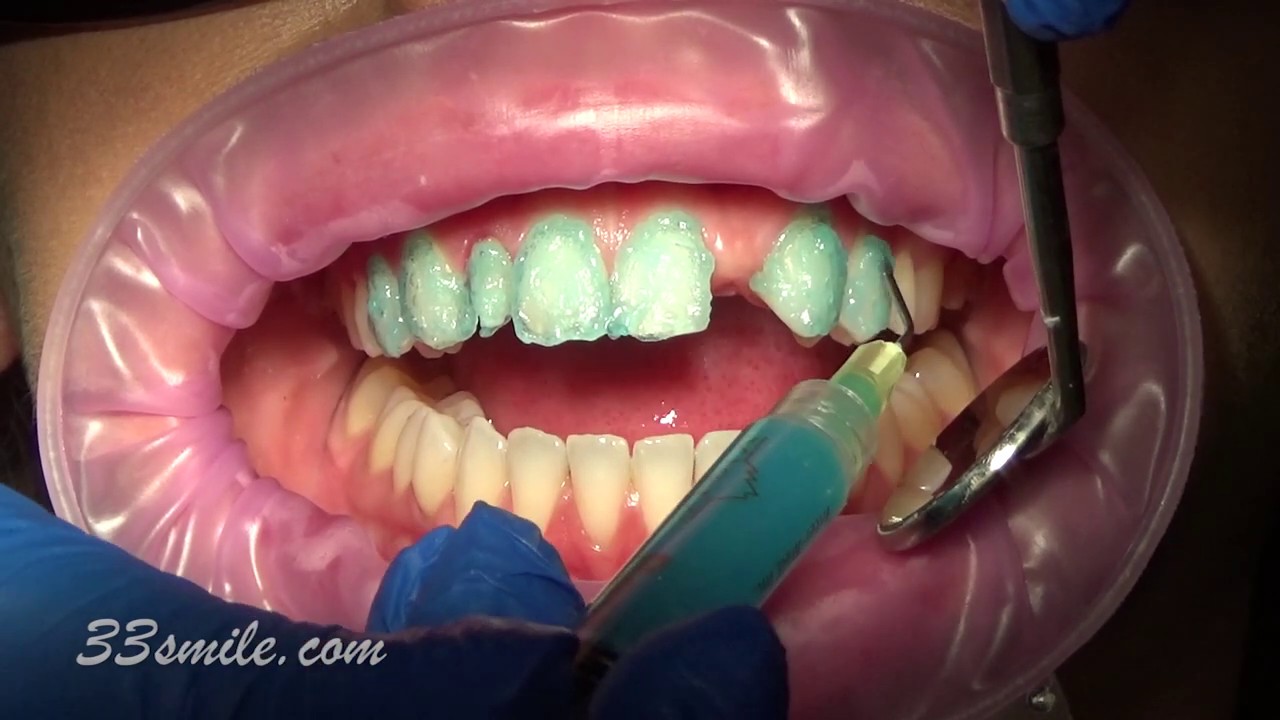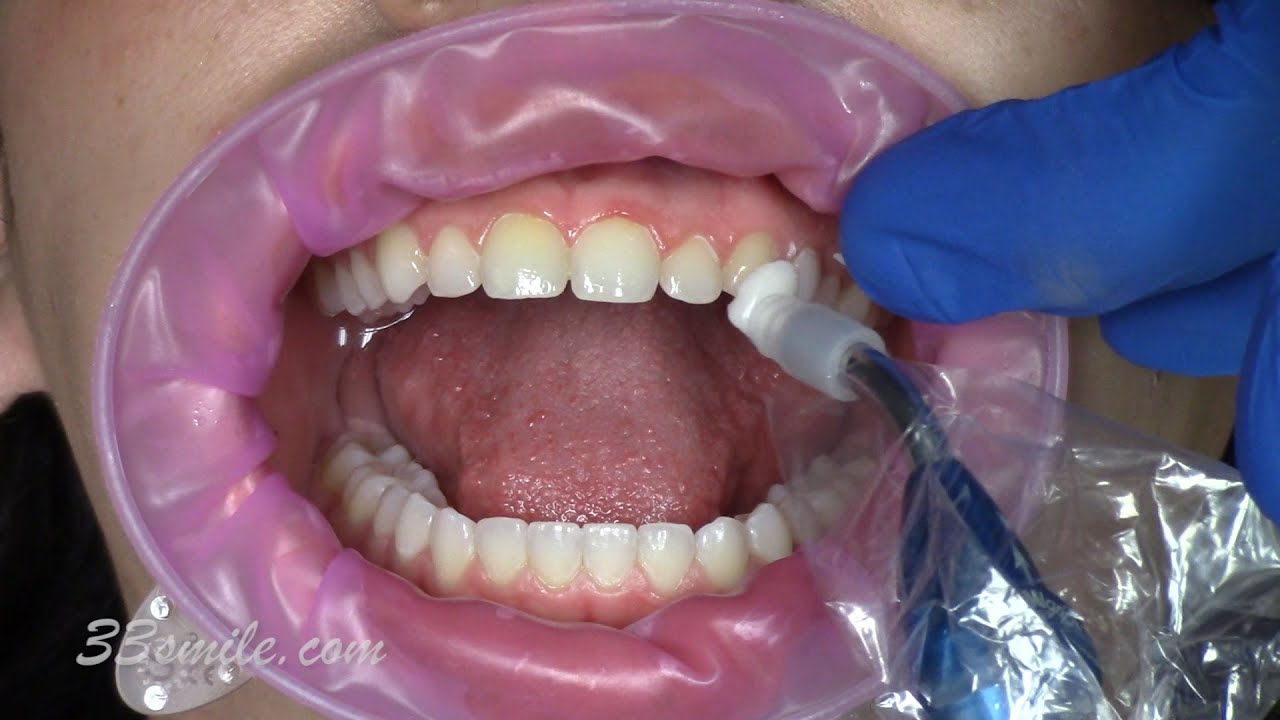
Many people associate root canal treatment with pain – but in reality, the procedure is designed to relieve discomfort, not cause it. At Cosmetic Dental Associates, our skilled San Antonio dentists approach each root canal with compassion and patience, aiming to ease discomfort and anxiety while effectively restoring your oral health.
Dr. John A. Moore, Jr., DDS is an award-winning dentist who taught restorative dentistry at the University of Texas Health Science Center at San Antonio for 10 years. When you visit our practice for a root canal, you can rest assured that your treatment is being handled with exceptional skill, precision, and attention to comfort.
- What Is a Root Canal?
- Root Canal Candidates
- Root Canal Procedure
- Is a Root Canal Painful?
- Root Canal Prevention
What Is a Root Canal?
A root canal is a restorative dental procedure used to treat infection or inflammation inside a tooth. Beneath the enamel and dentin layers of each tooth lies the pulp, which contains nerves, blood vessels, and connective tissue. When this inner tissue becomes infected due to deep decay, trauma, or cracks in the tooth, a root canal is often the best way to preserve the tooth and relieve pain.
During a root canal, the infected pulp is removed, the inside of the tooth is carefully cleaned and disinfected, and the space is sealed to prevent future infection. In most cases, the treated tooth is then reinforced with a dental crown to restore strength and function.
Rather than being a last resort, modern root canal therapy is a tooth-saving procedure that allows patients to maintain their smile while avoiding unnecessary extraction.*
How Do I Know If I Need a Root Canal?
A tooth in need of a root canal has a deep-seated infection. If left untreated, it’s possible for the infection to spread to surrounding teeth and your gums.
Symptoms vary from person to person, but you might need a root canal treatment if:
- Your tooth is sensitive to hot or cold
- Your gums are swollen or tender
- Your tooth hurts when you chew
- Your tooth is discolored
- You have tooth pain that comes and goes throughout the day
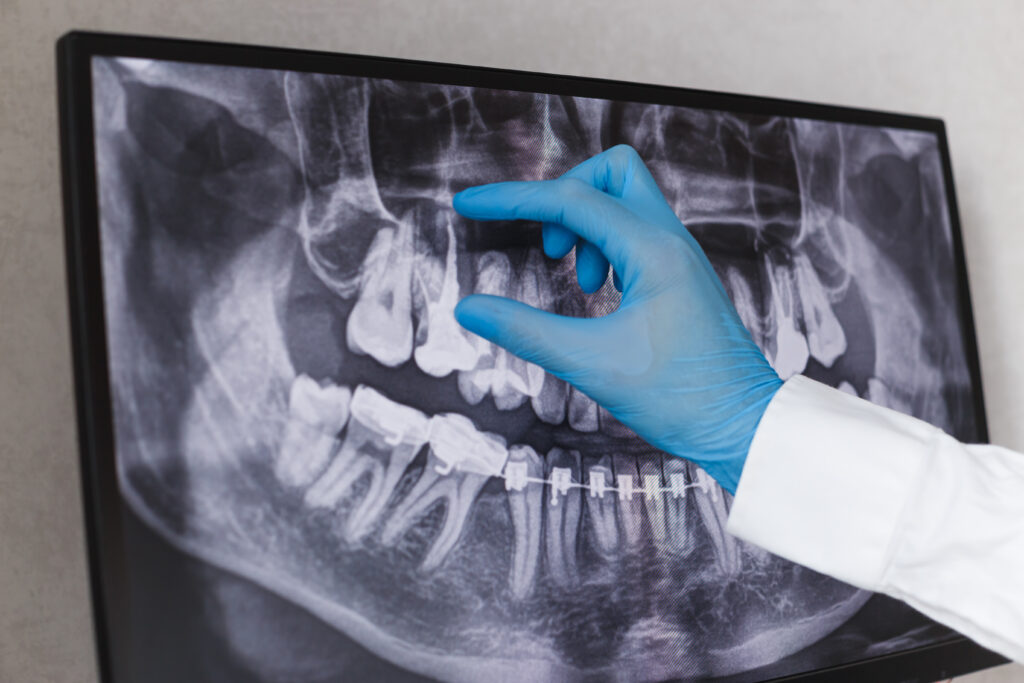
- Your dentist sees signs of infection on X-rays
In some cases, a tooth may be infected without causing noticeable pain. That’s why regular dental exams are essential; they can allow us to identify potential problems early, before symptoms worsen.
What Does the Root Canal Procedure Involve?
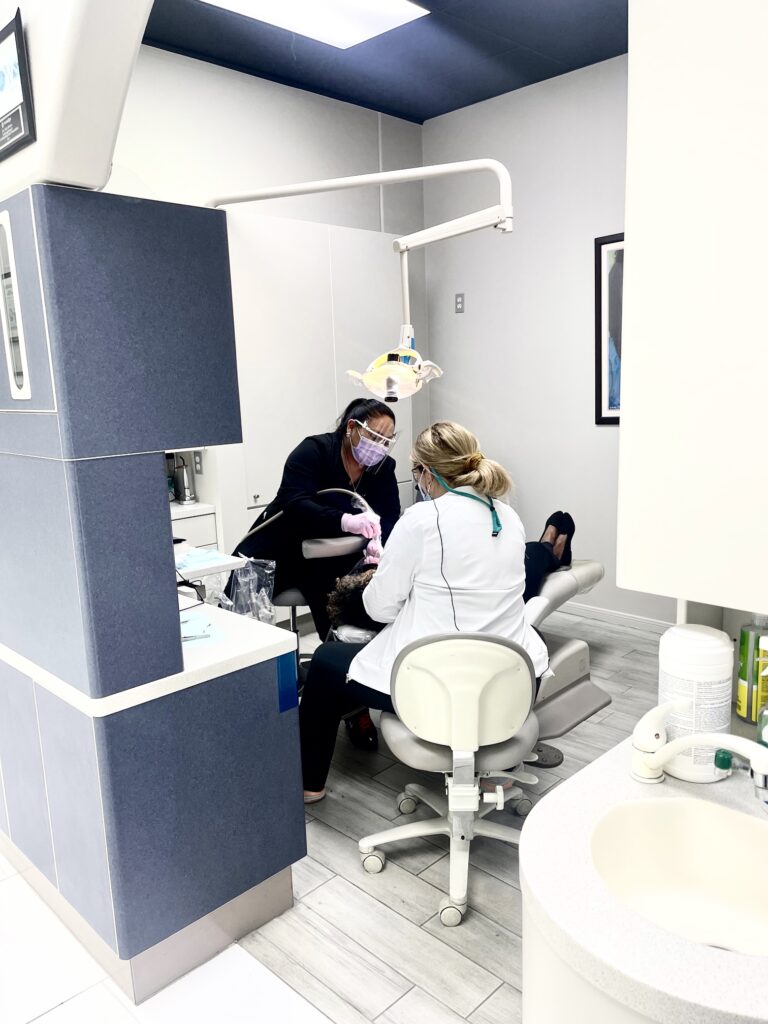
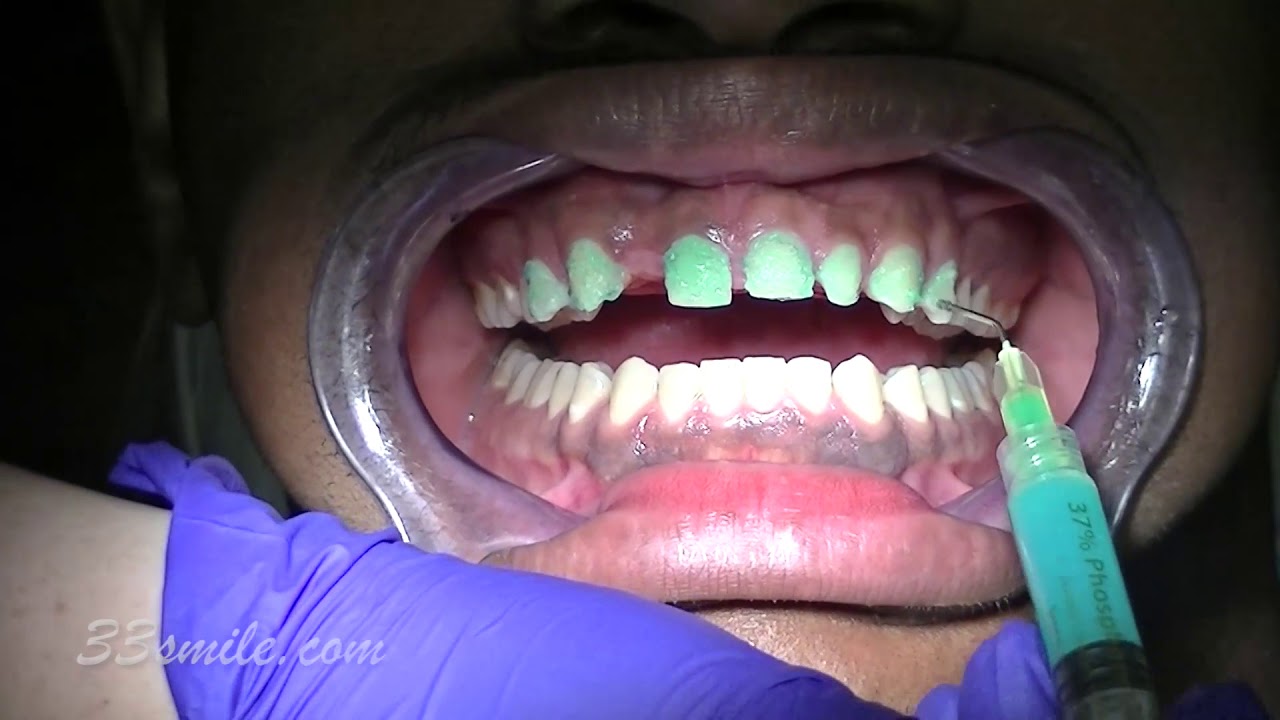
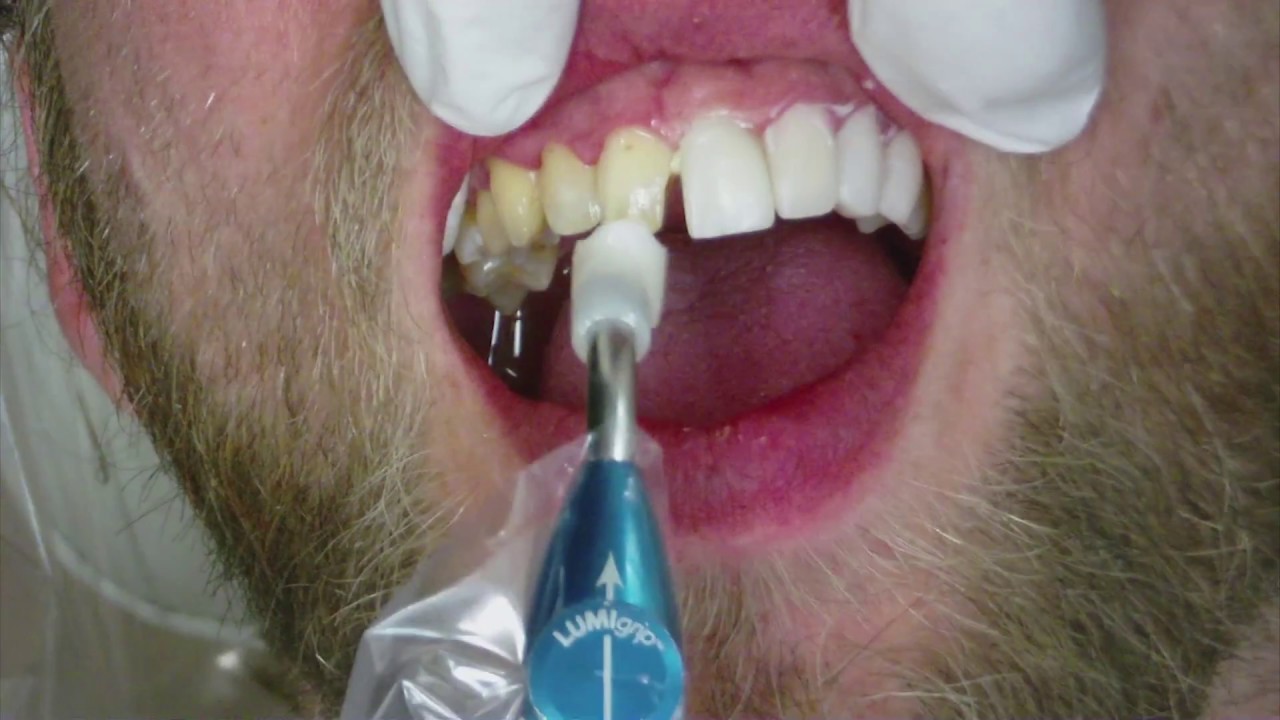
If your dentist determines that a root canal is necessary, the procedure is generally straightforward. Here’s what you can expect:
- Numbing the area. Your dentist will thoroughly numb the treatment area using local anesthesia to help you remain comfortable throughout the procedure.
- Accessing the tooth. We’ll gently create a small opening in the tooth to reach the infected pulp and inner canals.
- Cleaning and disinfecting. Your dentist will carefully remove the infected tissue and bacteria before cleaning and shaping the canals to prepare them for sealing.
- Filling the canals. We’ll fill the canals with a specialized material that prevents bacteria from re-entering and causing future infection.
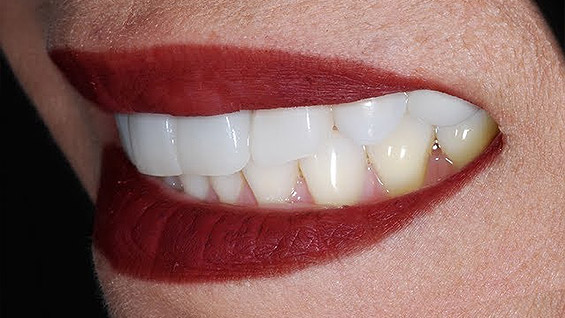
- Protecting the tooth. Finally, your dentist will typically cover the tooth with a custom dental crown. This can protect it from further damage and allow it to function normally.
Is a Root Canal Painful?
One of the most common misconceptions about root canals is that they are painful. In reality, the discomfort patients experience before treatment is often far worse than the procedure itself. The treatment actually aims to remove the source of pain (the infected pulp) and provide significant relief.
Thanks to modern anesthesia and gentle techniques, many patients report that a root canal feels similar to getting a routine filling. Mild soreness or sensitivity may occur for a few days after treatment, but this is usually manageable with over-the-counter pain relievers and should subside quickly.
As with all the treatments we offer, we’ll provide detailed aftercare instructions to encourage a quick and safe recovery.
Can Root Canals Be Prevented?
While root canal treatment is often highly effective, prevention is possible. Maintaining good oral hygiene and attending regular dental visits can greatly reduce the likelihood of developing deep infections.
We recommend:
- Visiting our office twice a year for professional cleanings and exams
- Addressing cavities or cracked teeth early
- Using fluoride treatments when recommended to strengthen enamel
Gentle, Patient-Centered Root Canal Treatment
Root canal treatment doesn’t have to be stressful or painful – especially at Cosmetic Dental Associates. If you’re experiencing tooth pain or have been told you may need a root canal, we invite you to schedule your free consultation with our team. We’re always here to restore your comfort and put your dental concerns at ease.