Lumineers® and porcelain veneers are popular cosmetic dental treatments that can dramatically improve the look of your smile, but they differ significantly in how they’re applied, how much tooth structure they require, and who makes the best candidate for each. Understanding these key differences can help you have a more informed conversation with your dentist about which option is right for you.
What Are Traditional Veneers?
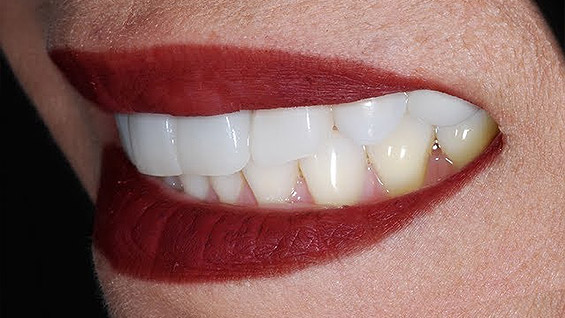
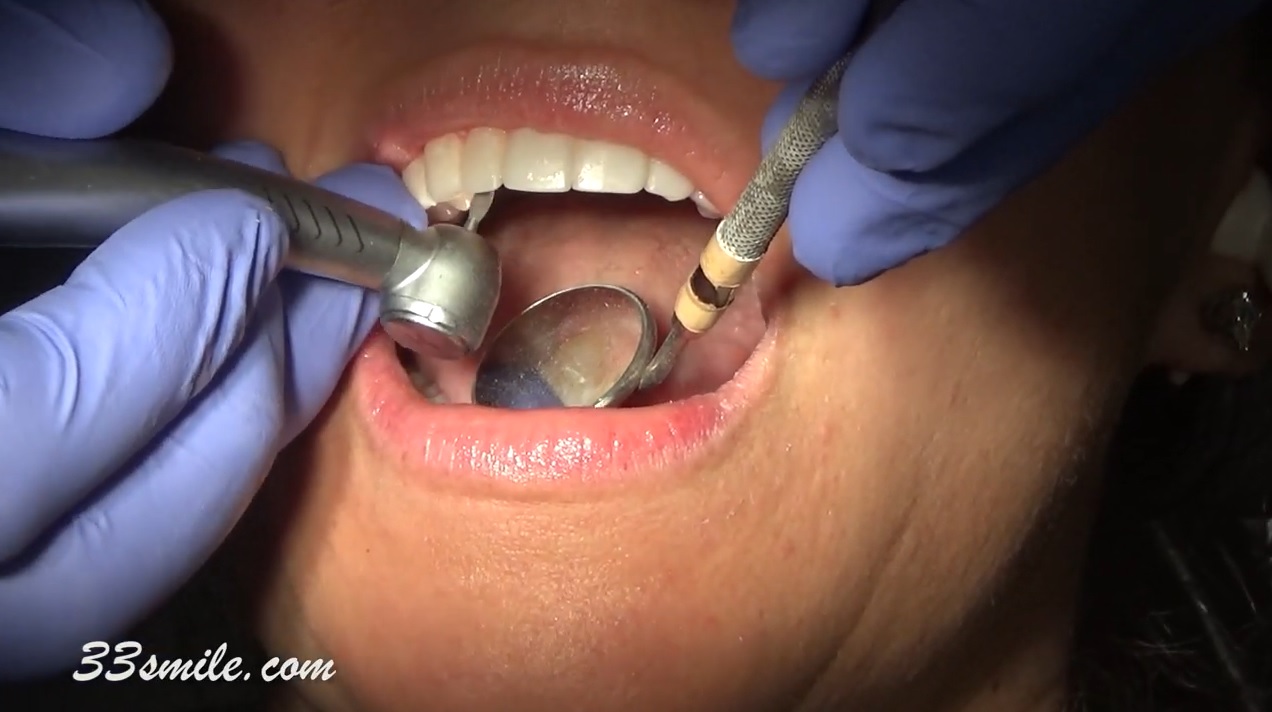
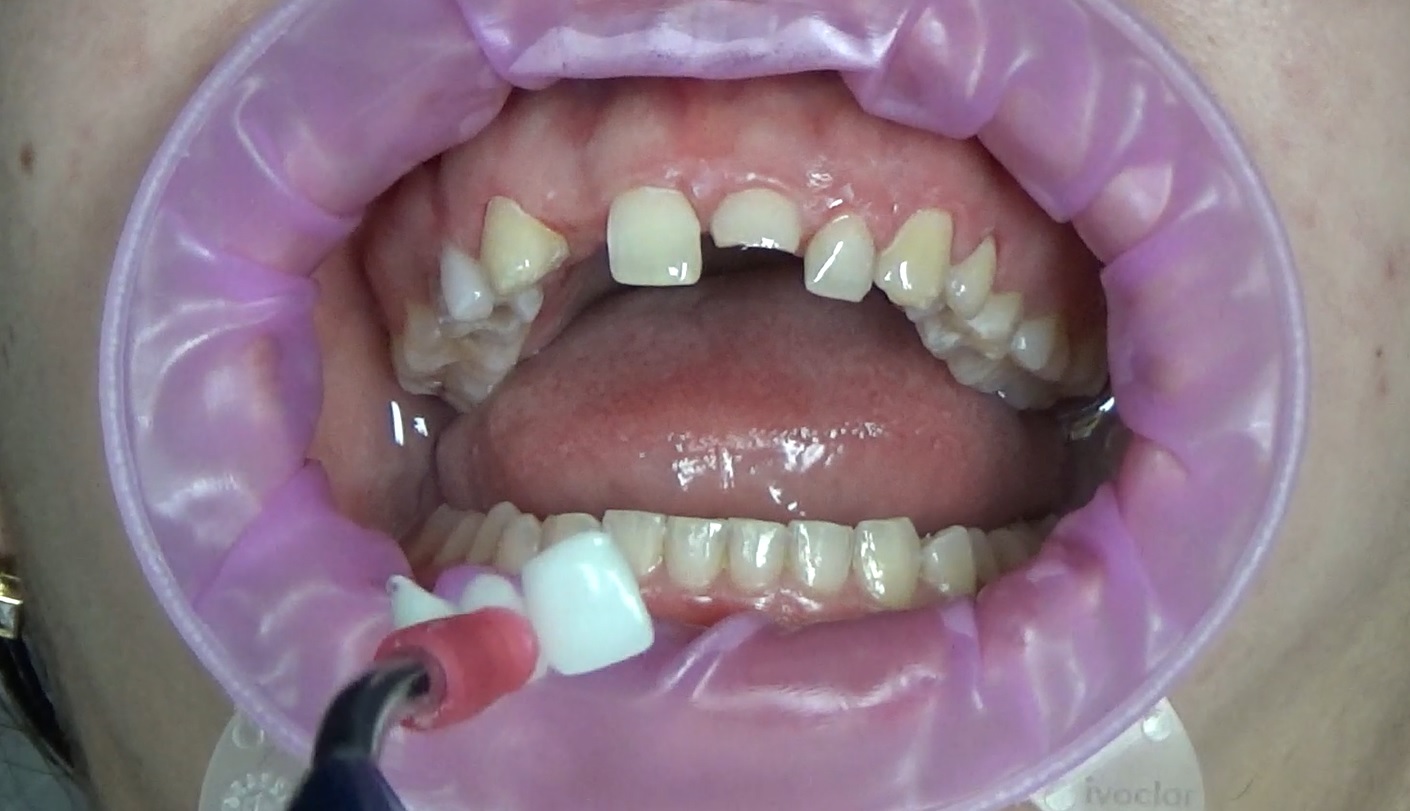
Traditional porcelain veneers have been a cornerstone of cosmetic dentistry for decades. These thin, durable, custom-crafted shells are bonded to the front surface of your teeth to conceal imperfections like chips, cracks, staining, gaps, and mild misalignment.
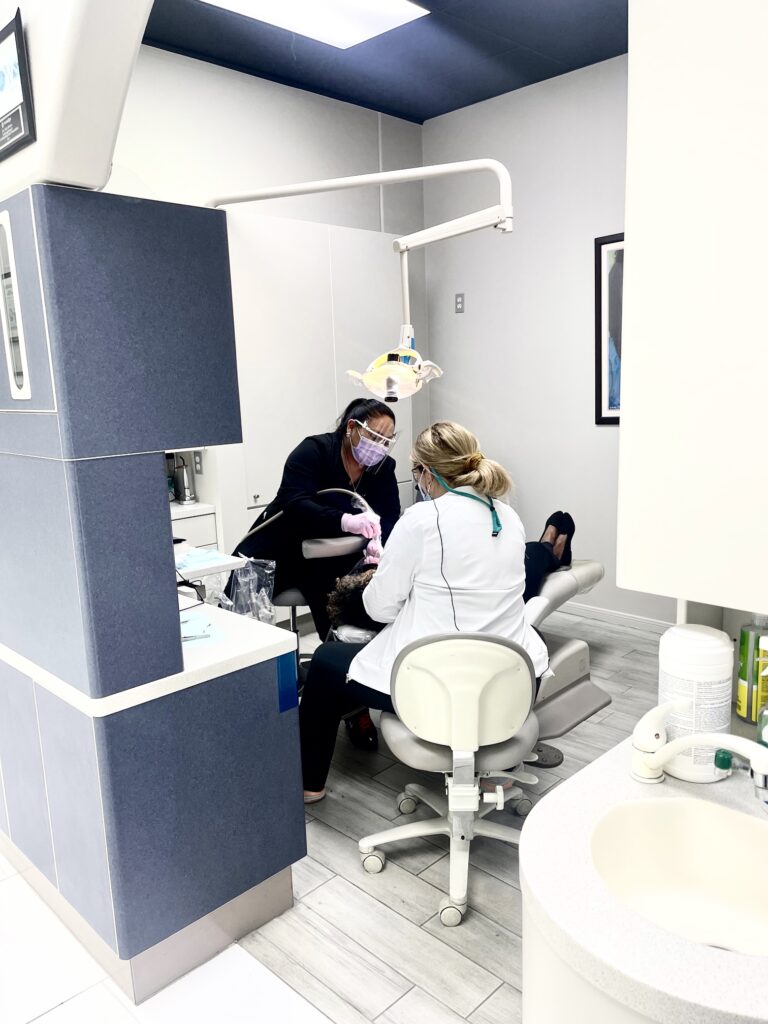
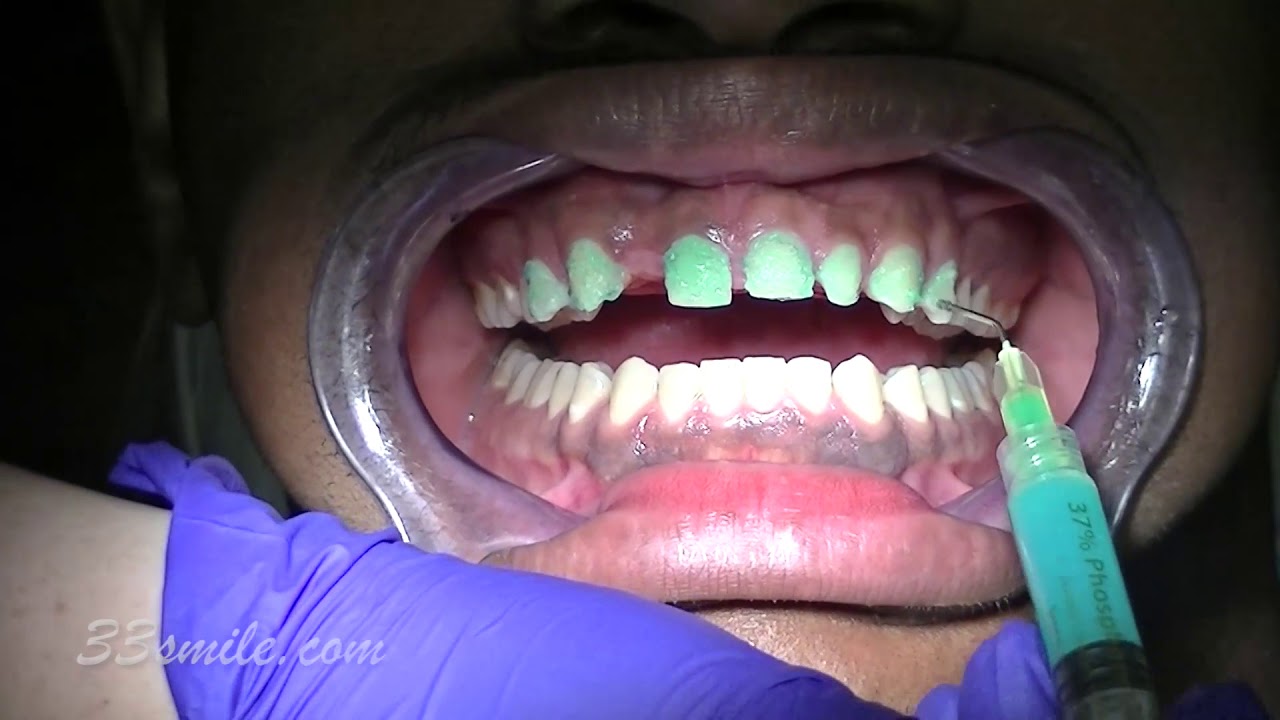
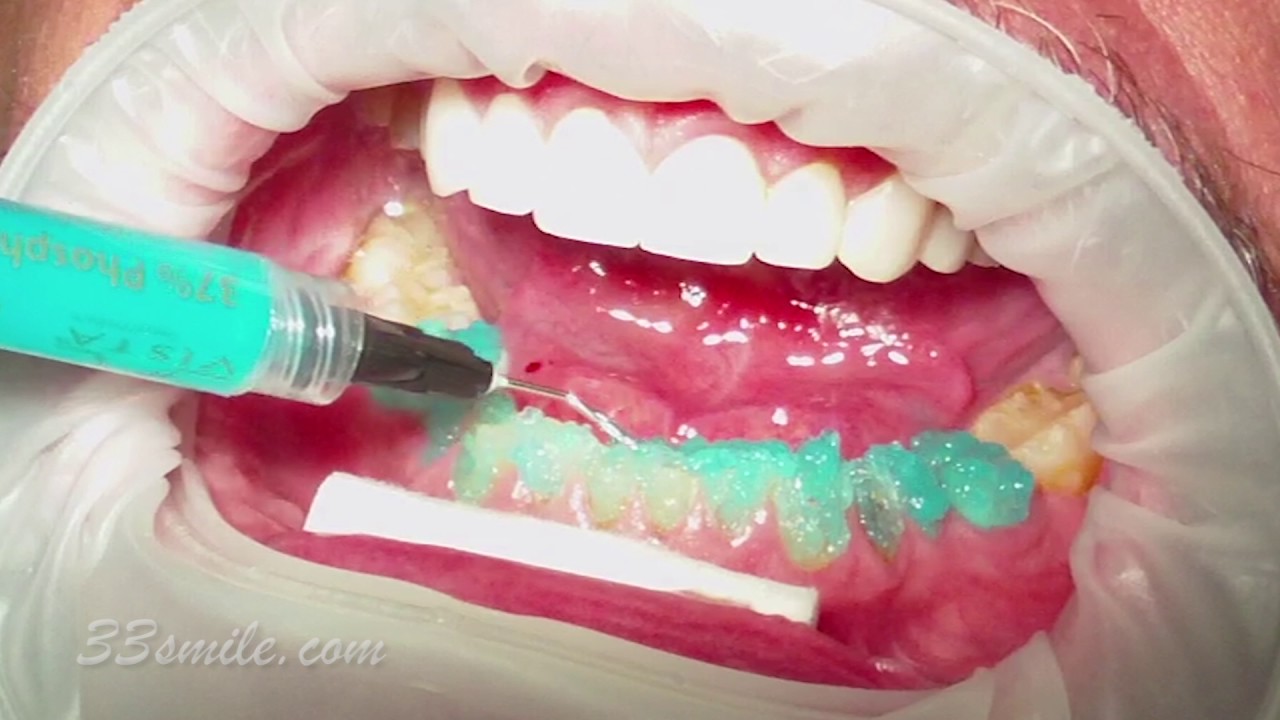
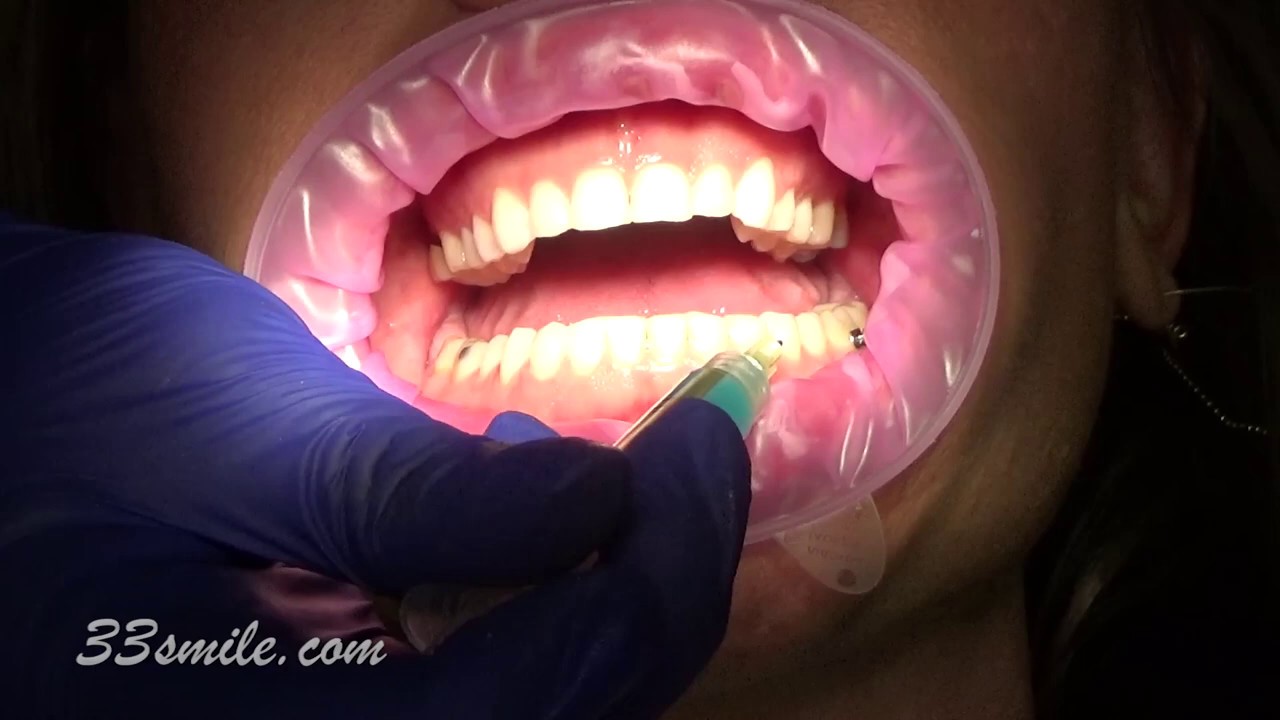
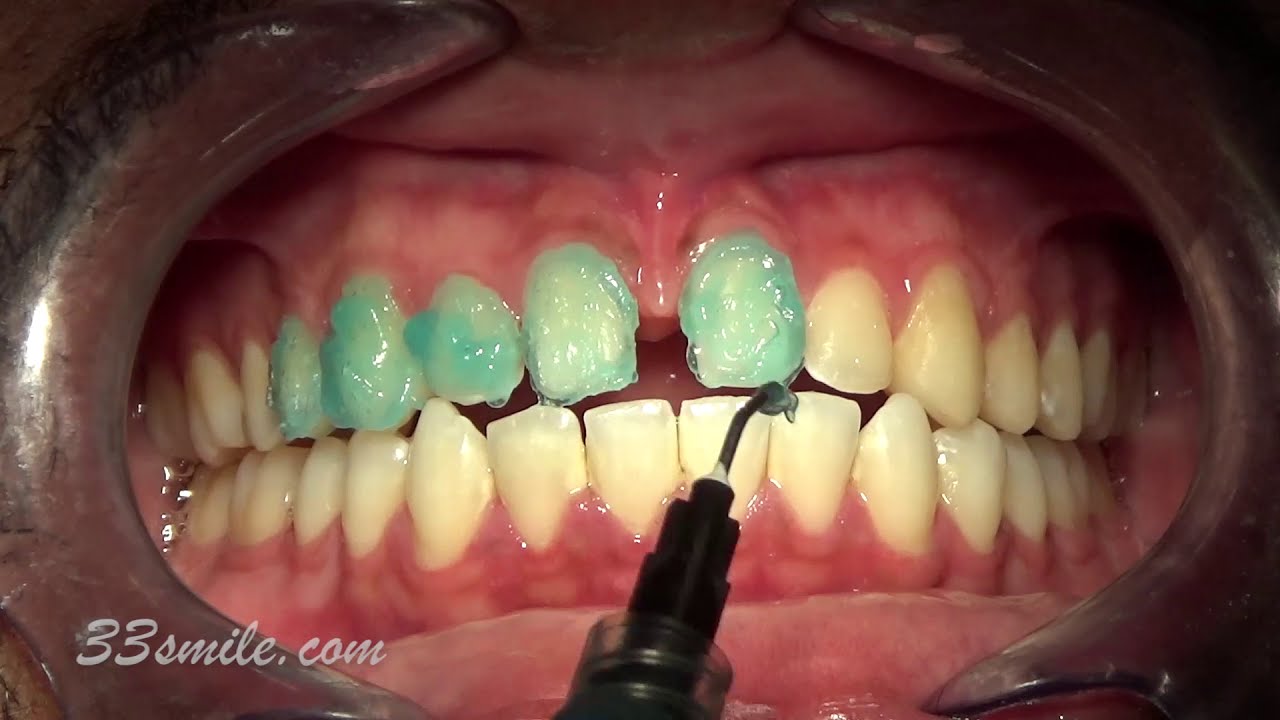
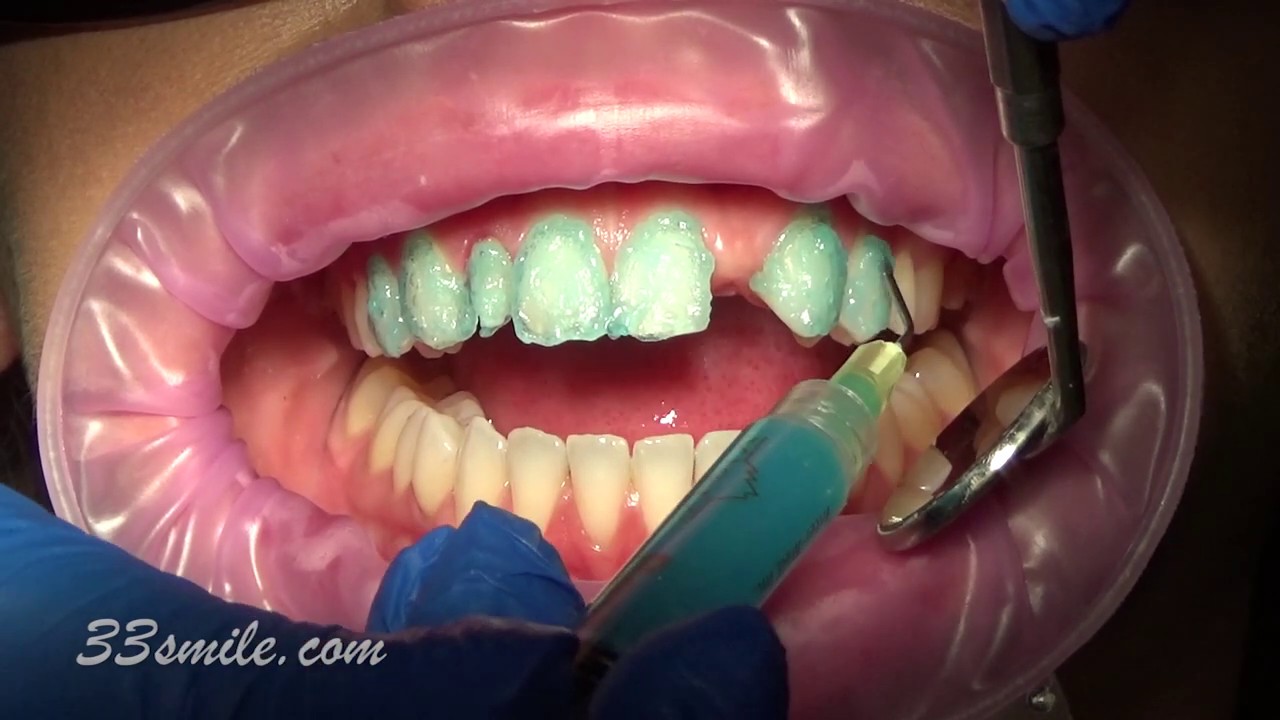
The process begins with a comprehensive consultation to evaluate your overall oral health and discuss your smile goals, including any questions or concerns you have about this treatment. If minimal prep is needed, your dentist can gently reshape the outer surface of each tooth to create space for the veneer. In no-prep veneer cases, this step can be skipped entirely.
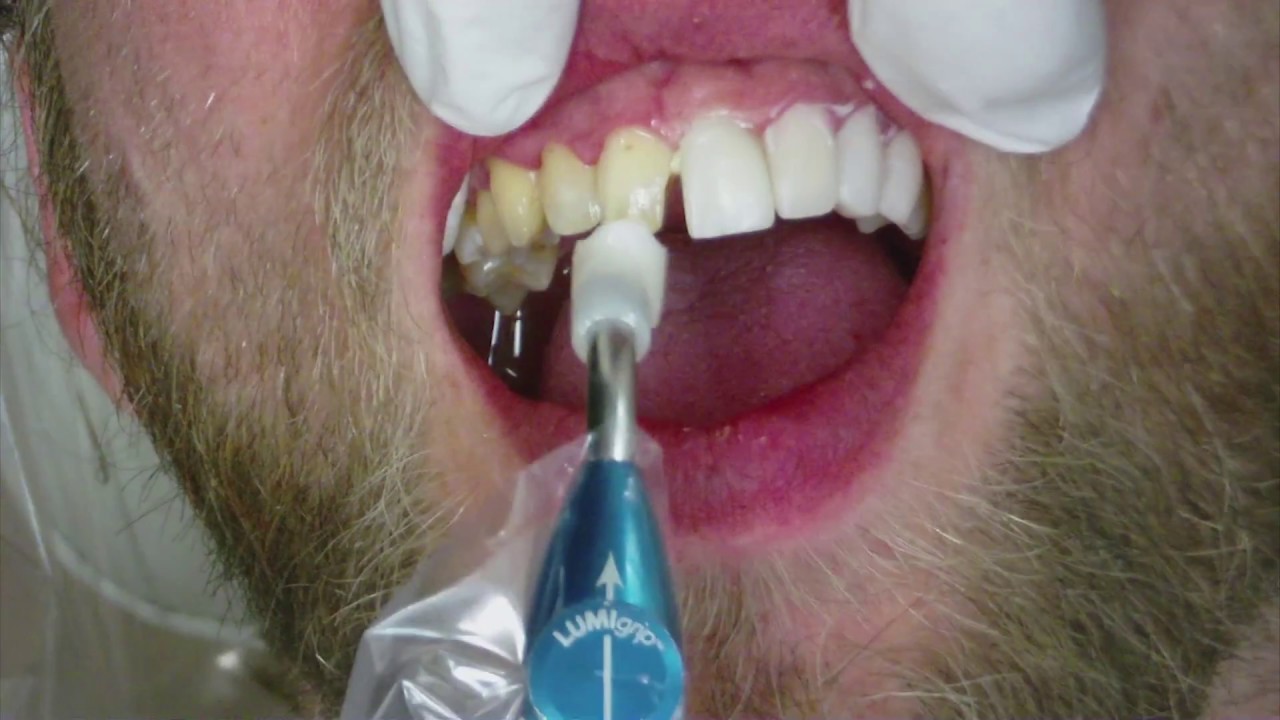
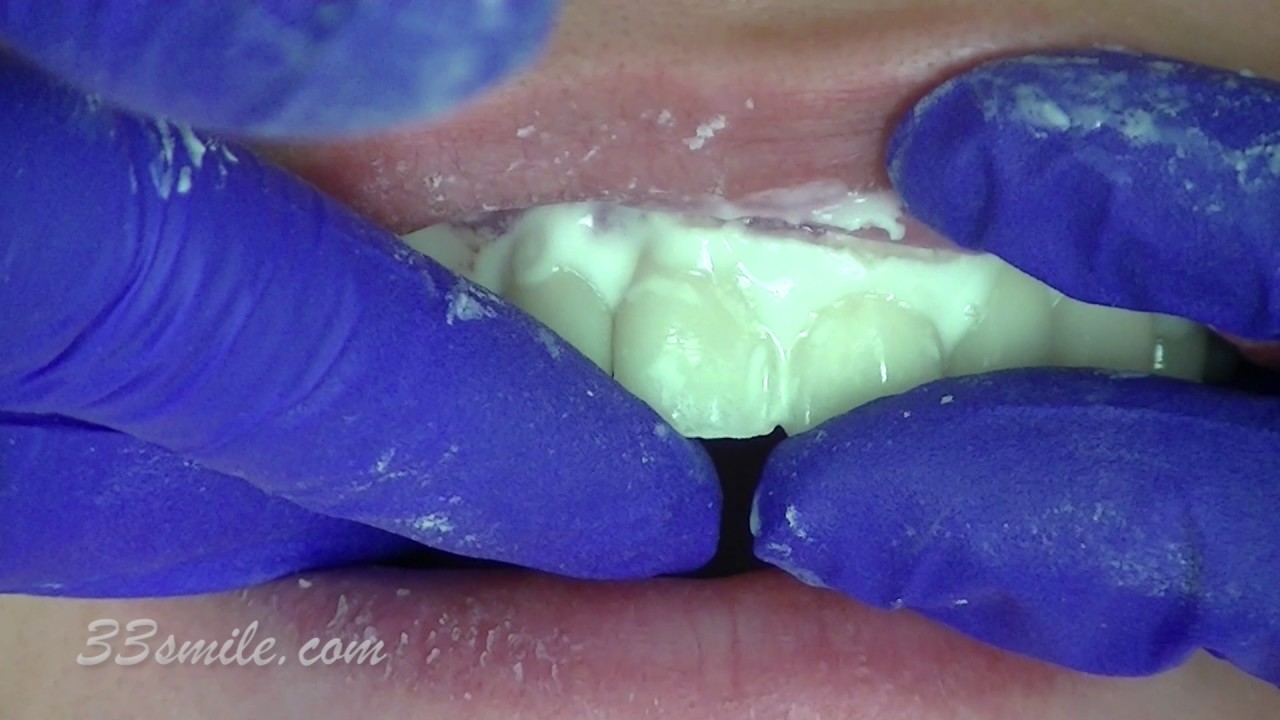
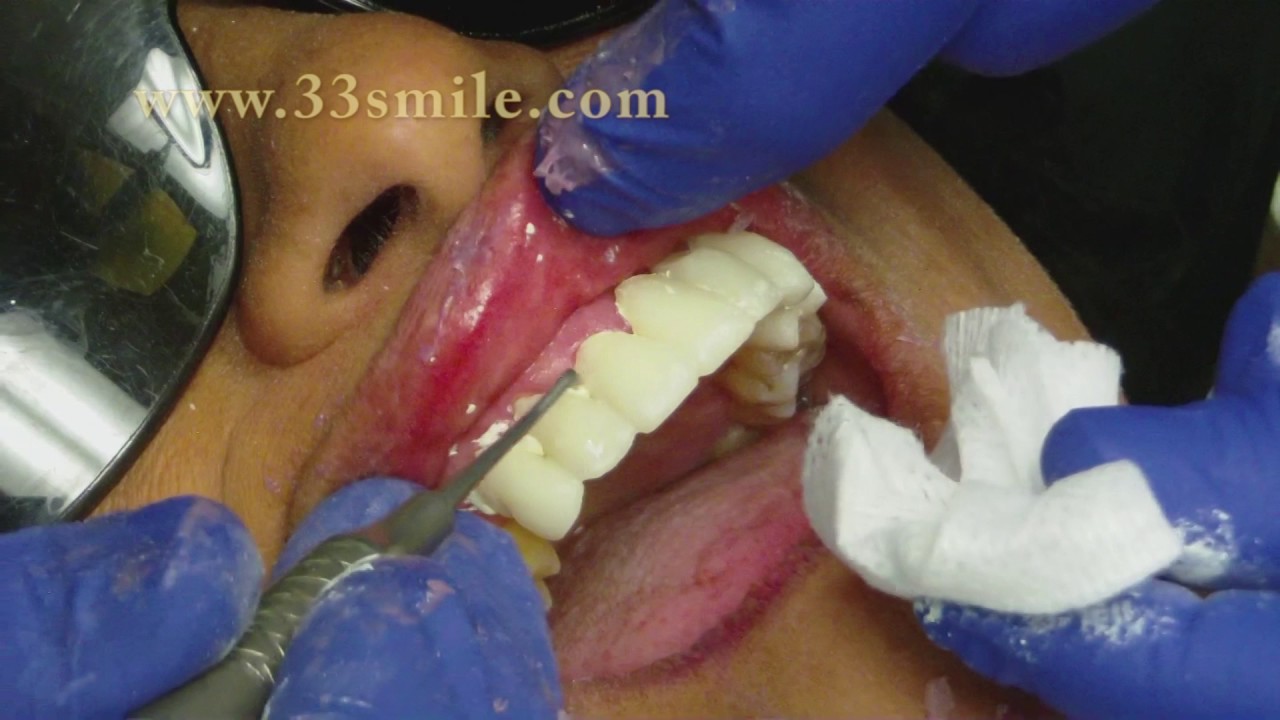
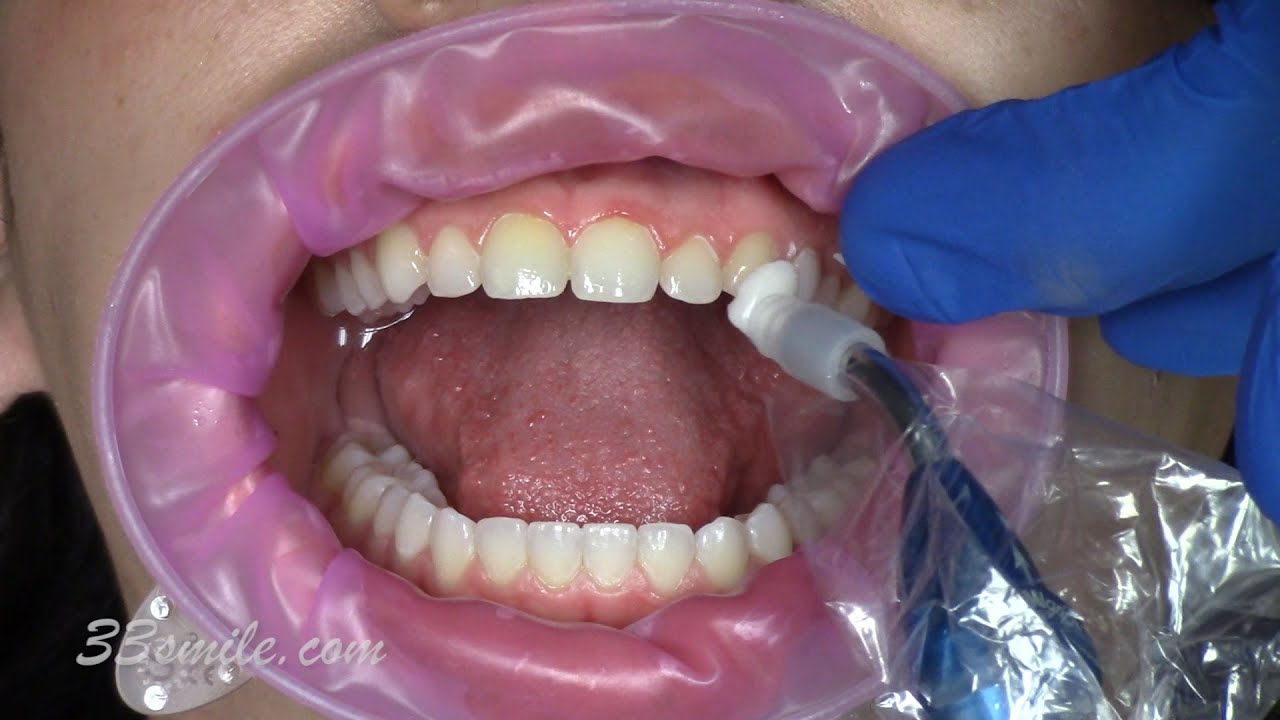
A mold or impression is then taken and sent to an in-house lab, where technicians can craft your custom veneers using premium materials. Once ready, the veneers are bonded securely to your teeth, with final adjustments made for shape, shade, and comfort before your new smile is polished.
Because enamel removal—even when minimal—is irreversible, traditional veneers can be a lifelong commitment.
What Are Lumineers®?
Lumineers® are a specific brand of ultra-thin veneers (roughly the thickness of a contact lens) that were designed to simplify and minimize the veneer process. The most significant distinction is that Lumineers® typically require little to no enamel removal before placement. In many cases, they can be bonded directly over your existing teeth without any grinding or reshaping.
This “no-prep” or “minimal-prep” approach means the procedure is often reversible, less invasive, and can sometimes be completed without anesthesia. The application process is otherwise similar to traditional veneers: impressions are taken, the restorations are lab-fabricated, and they’re bonded to the tooth surface.
Key Differences Side by Side
Thickness and Tooth Prep
Traditional veneers are slightly thicker and require enamel reduction to ensure a natural fit. Lumineers®, being ultra-thin, can often skip this step, but this can also be a limitation. Without removing existing tooth structure, Lumineers® may appear slightly bulkier on some patients, which isn’t ideal for everyone.
Permanence
Traditional veneers are generally irreversible due to enamel removal. Lumineers®, when placed with no prep, are considered a more reversible option, though “reversible” doesn’t mean they’re temporary or short-term restorations.
Candidacy
Traditional veneers tend to be more versatile. They can address a wider range of cosmetic concerns, including more severe discoloration, significant chips, and teeth that need more structural reshaping. Lumineers® are typically best suited for patients with minor cosmetic issues and healthy, well-aligned teeth.
Longevity
Both options are known to be durable and long-lasting when properly cared for. Traditional porcelain veneers can last 10 to 20 years. Lumineers® are often designed to last up to 20 years as well, though results can vary depending on oral hygiene habits and bite forces.
Sensitivity
Since traditional veneers involve enamel removal, some patients experience temporary tooth sensitivity during the process. Lumineers®, with minimal prep, are usually less likely to cause sensitivity, making them appealing for patients with already-sensitive teeth.
Which One Is Right for You?
The honest answer is: it depends on your goals, your dental anatomy, and professional judgment. Cosmetic dentist John Moore, Jr., DDS works closely with patients to evaluate factors like tooth color, shape, existing enamel thickness, bite alignment, and overall oral health before recommending a treatment path.
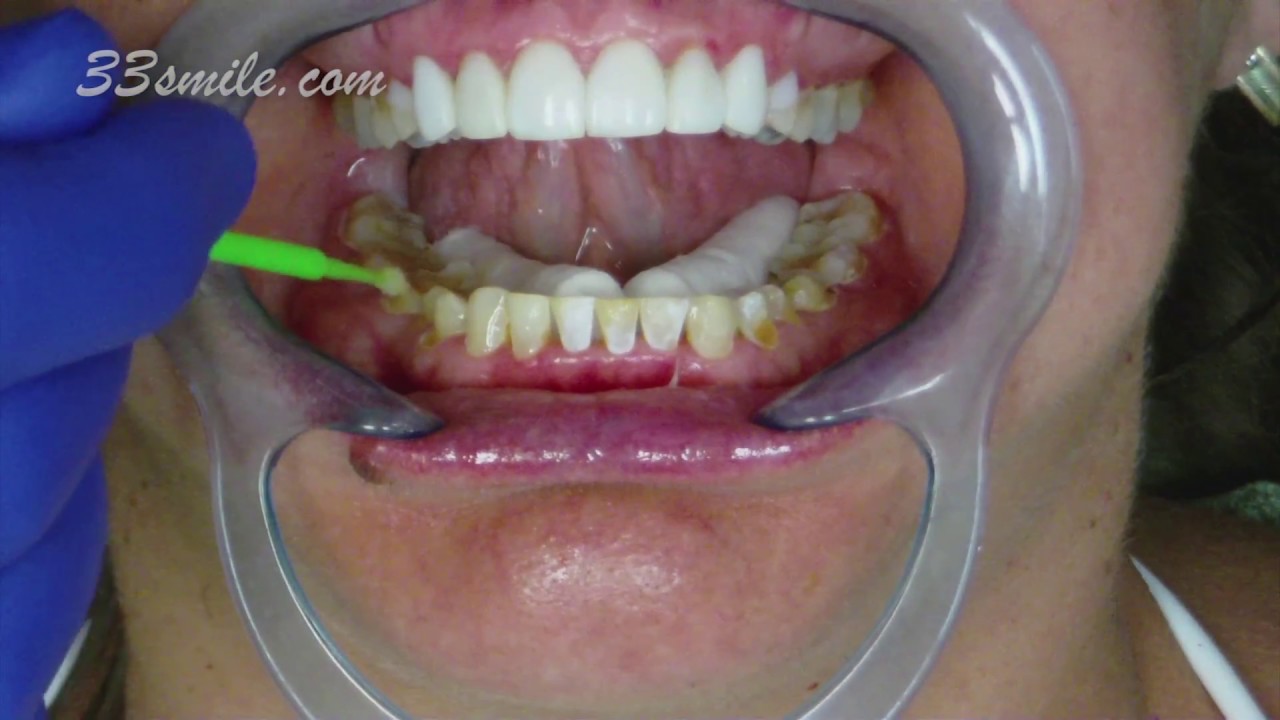
For patients seeking a dramatic transformation, such as correcting severe staining, misshapen teeth, or closing prominent gaps, traditional veneers often deliver superior aesthetic results. For patients with minimal concerns who want a gentler, less invasive upgrade to their smile, Lumineers® can be an excellent fit.
It’s also worth noting that neither treatment is a substitute for good oral health. Gum disease, decay, or significant bite problems should be addressed before pursuing either option.
The Bottom Line
Both Lumineers® and traditional veneers can be effective cosmetic treatments that give you the confident, radiant smile you’ve been looking for. The right choice often comes down to your individual needs and choosing the right dentist to guide you through your decision.
Key Takeaways
- Lumineers® generally require little to no enamel removal, making them less invasive and often reversible.
- Traditional veneers typically involve permanent enamel reduction but can correct a wider range of cosmetic concerns.
- Both options can last up to 20 years with consistent oral hygiene and care.
- Lumineers® usually suit patients with minor cosmetic issues, while traditional veneers may be better for more comprehensive makeovers.
- A consultation with Dr. Moore is a great first step toward finding the proper treatment for your smile.
Ready to find out which cosmetic approach is right for you? Contact Cosmetic Dental Associates today to schedule a consultation with Dr. Moore. He can help you explore available options so you can take the first step toward the smile you deserve.