Cosmetic

Are Dental Veneers the Answer for You?

Thursday, September 22nd, 2011

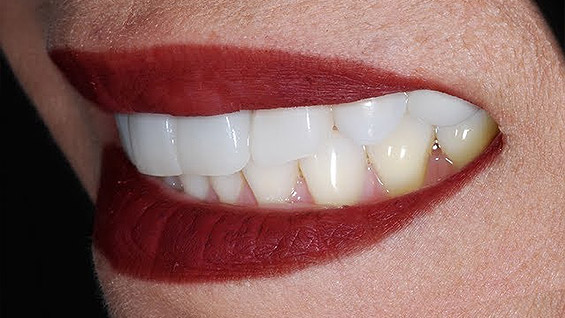
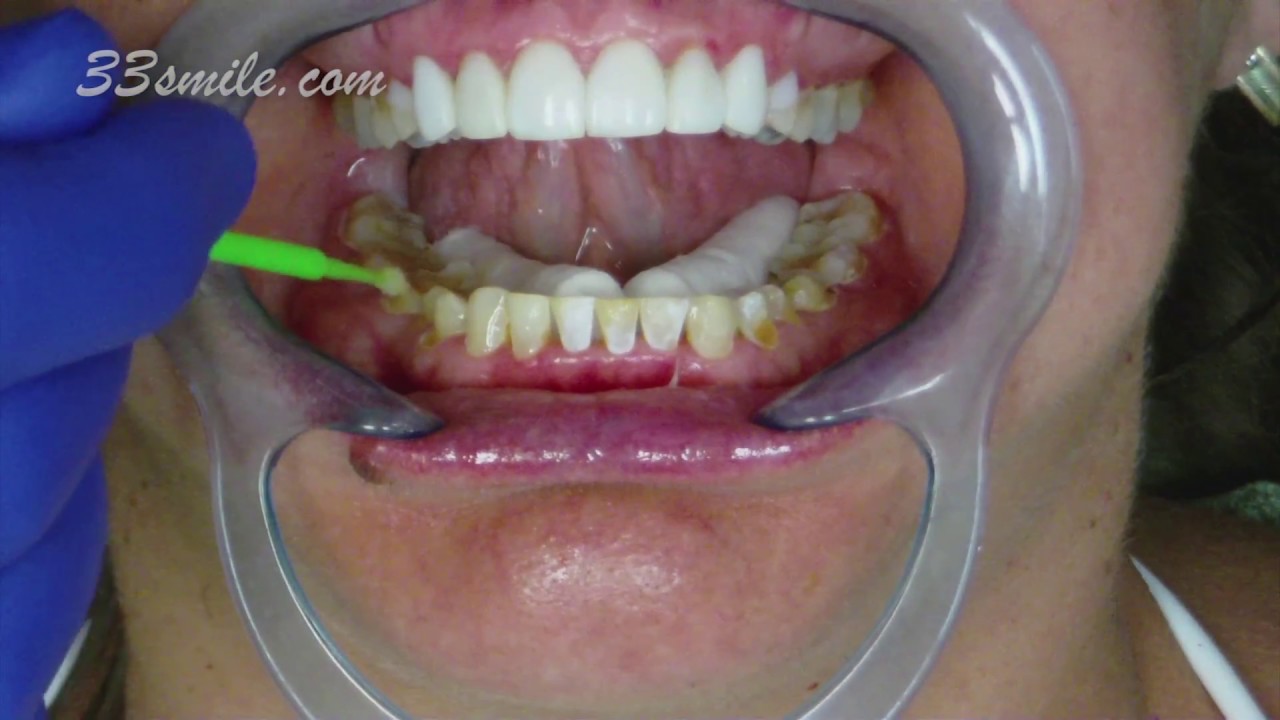
If you're unsatisfied with the color, shape, length or size of your teeth, dental veneers might be the best option for you.  Our San Antonio dental staff can inspect your teeth and tell you if this is the best procedure for your individualized needs. 

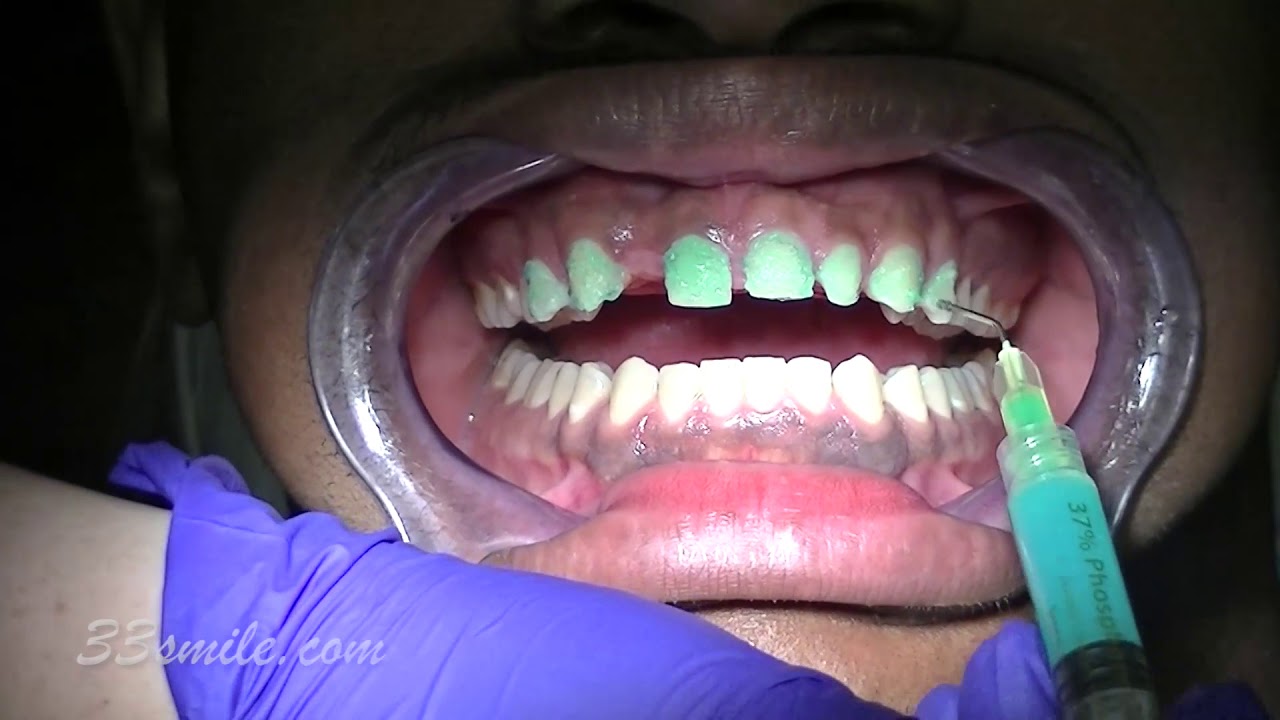
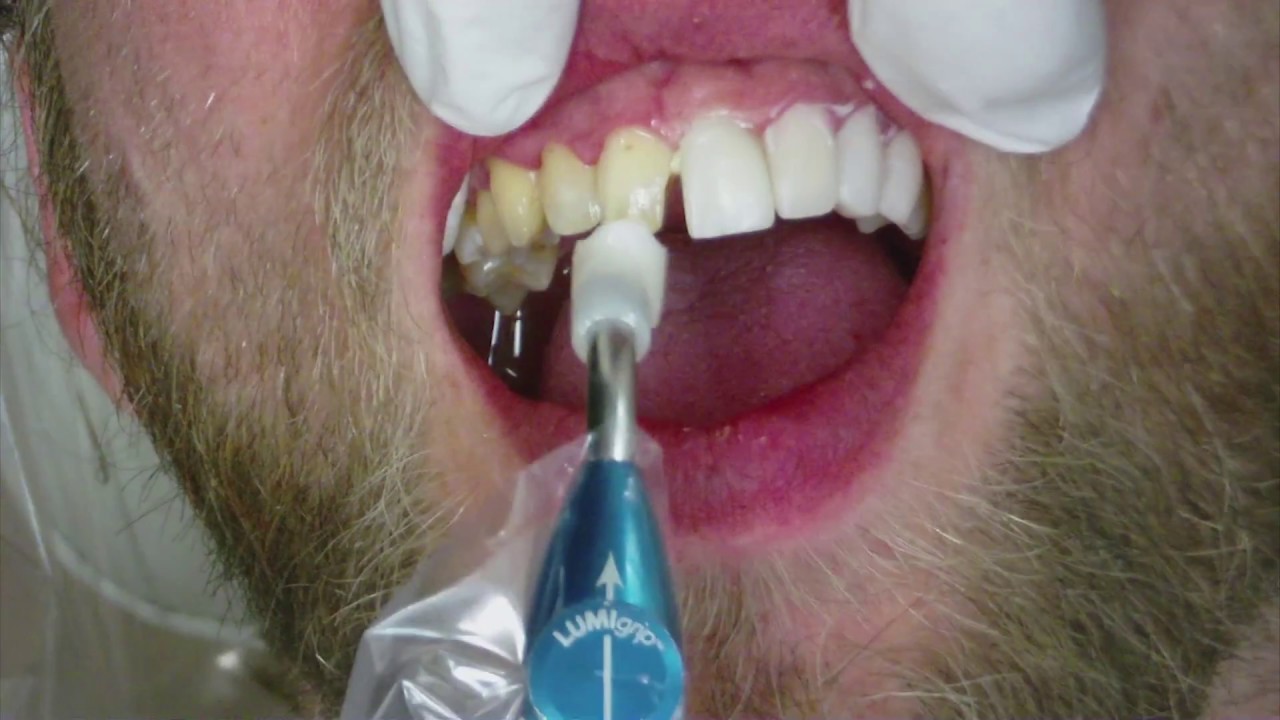
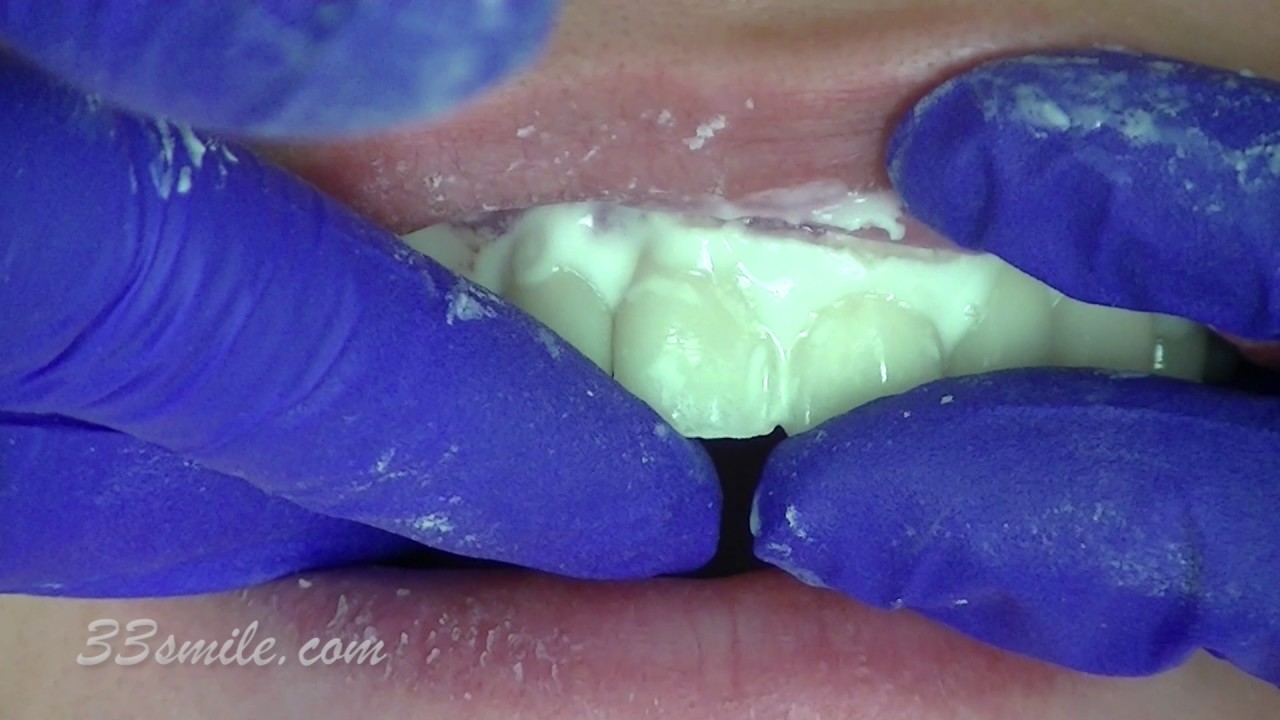
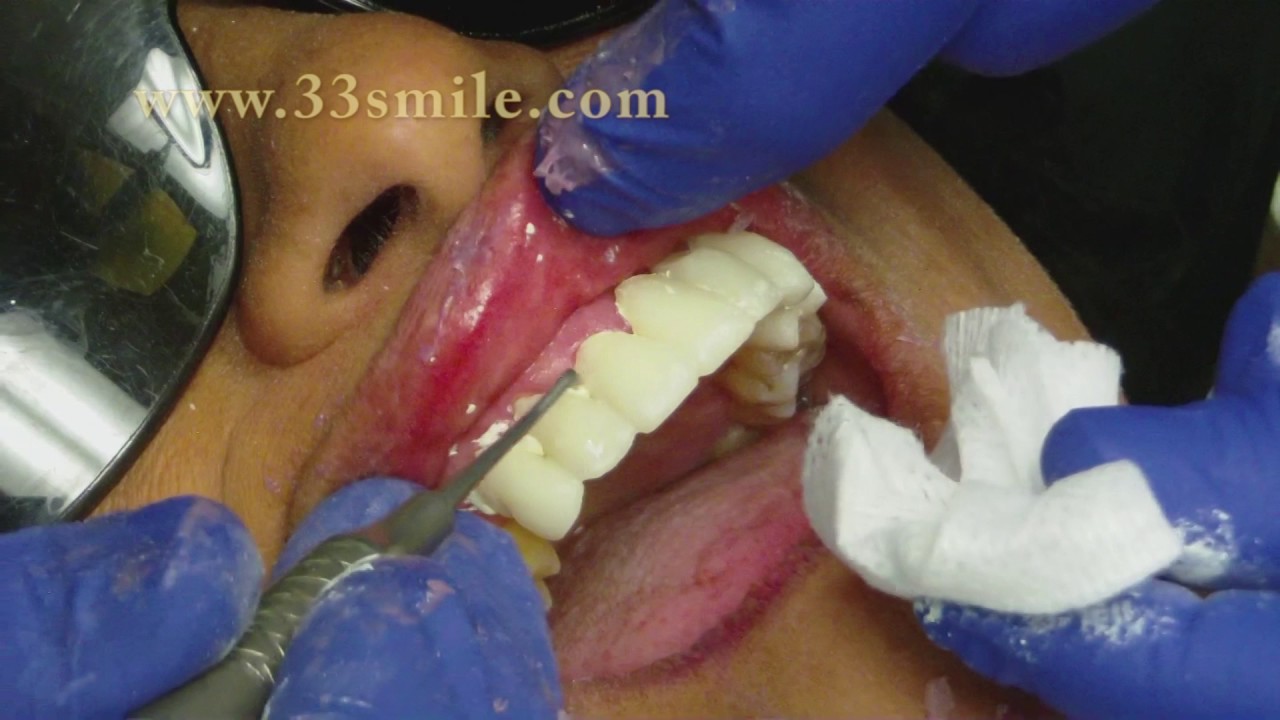
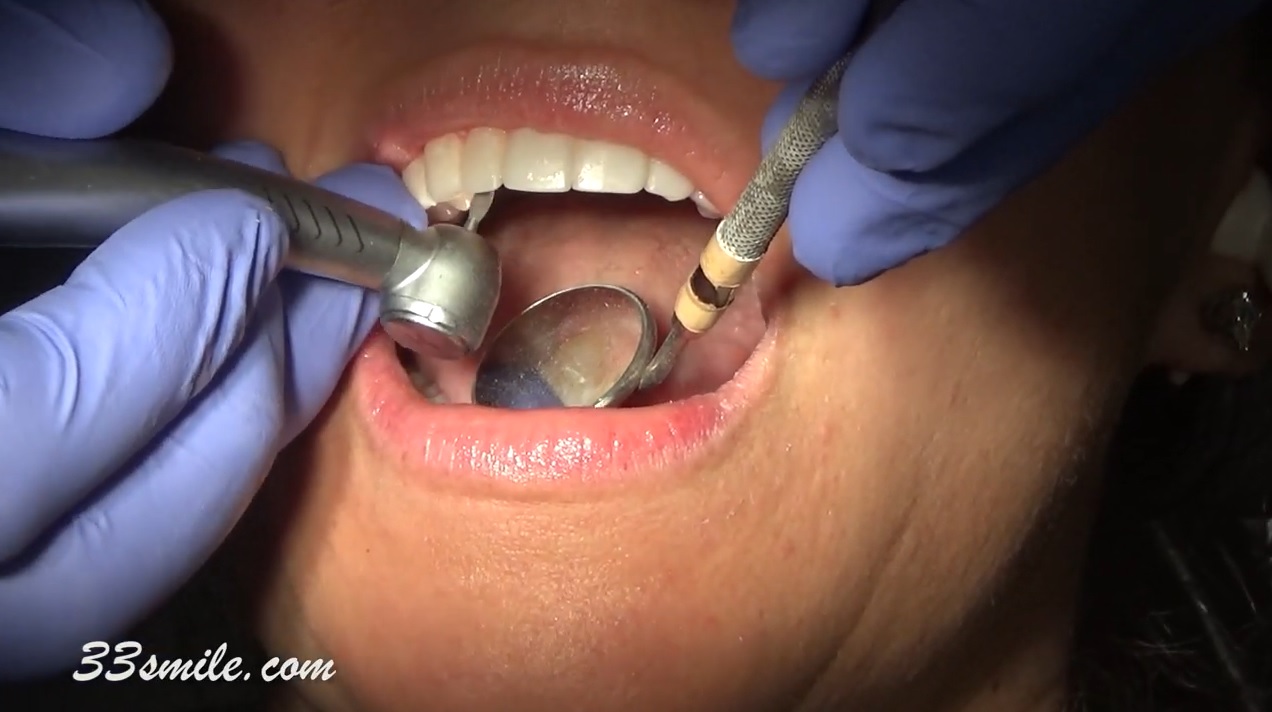
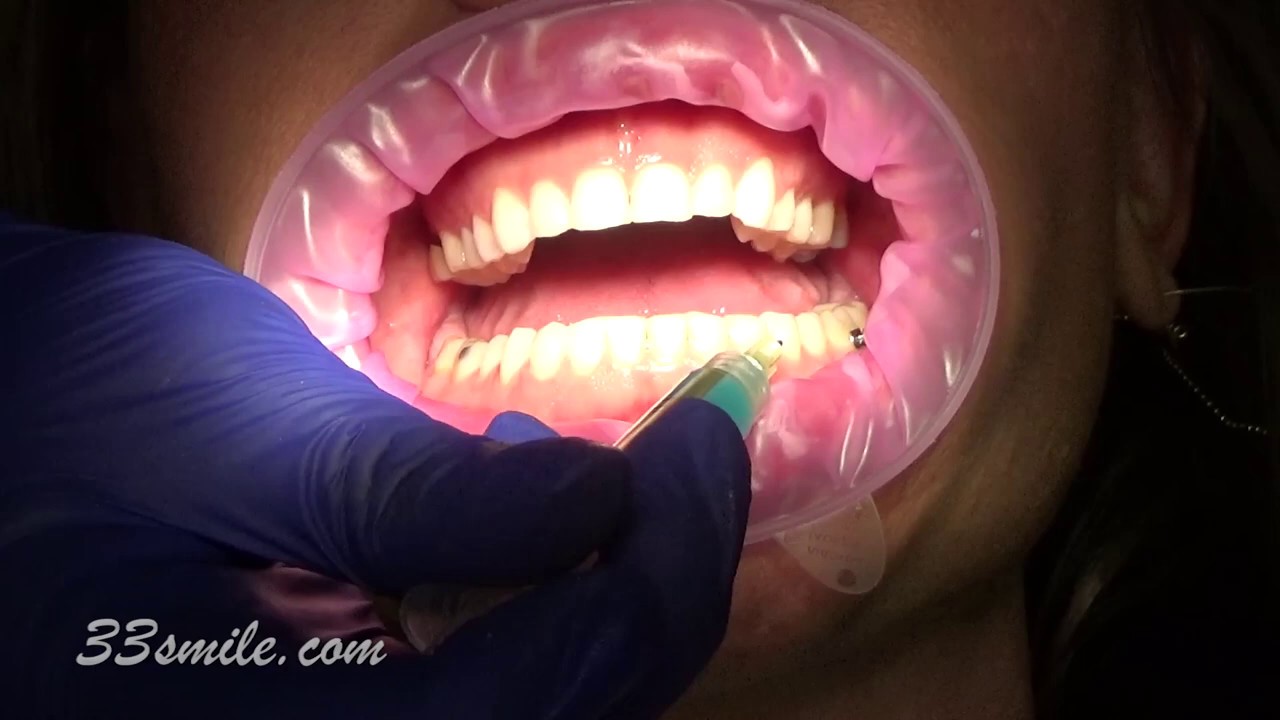
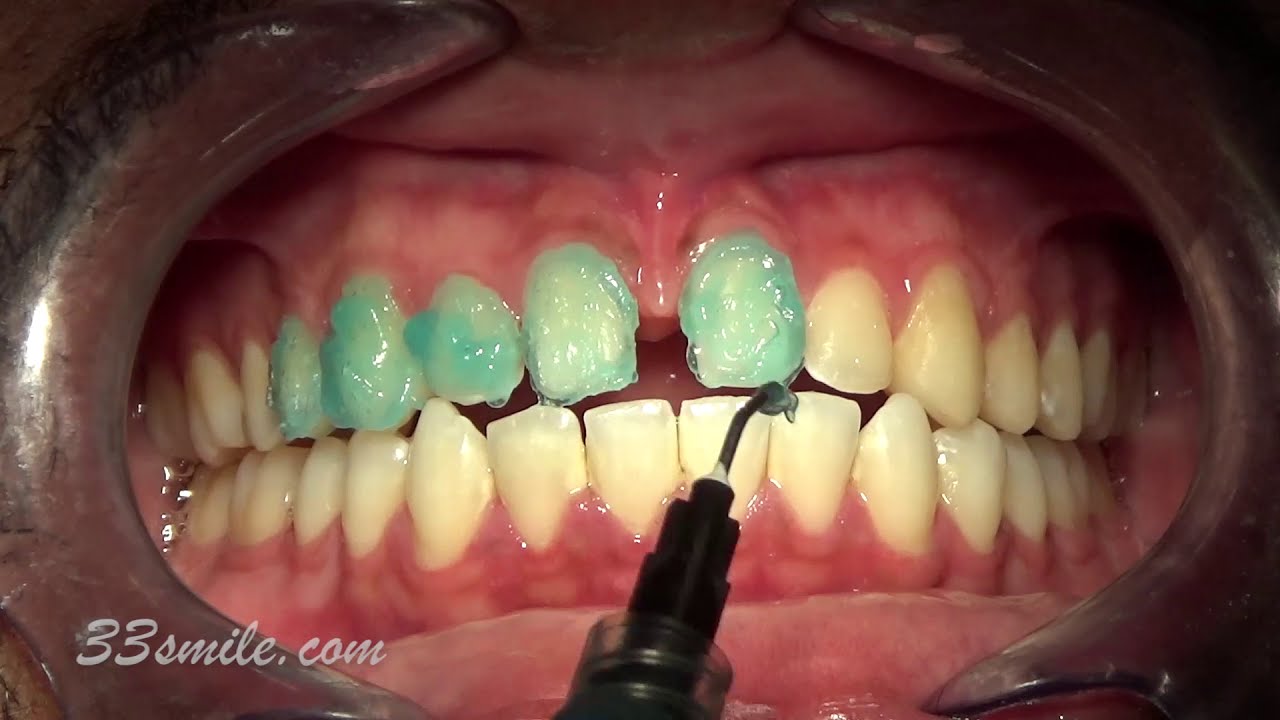
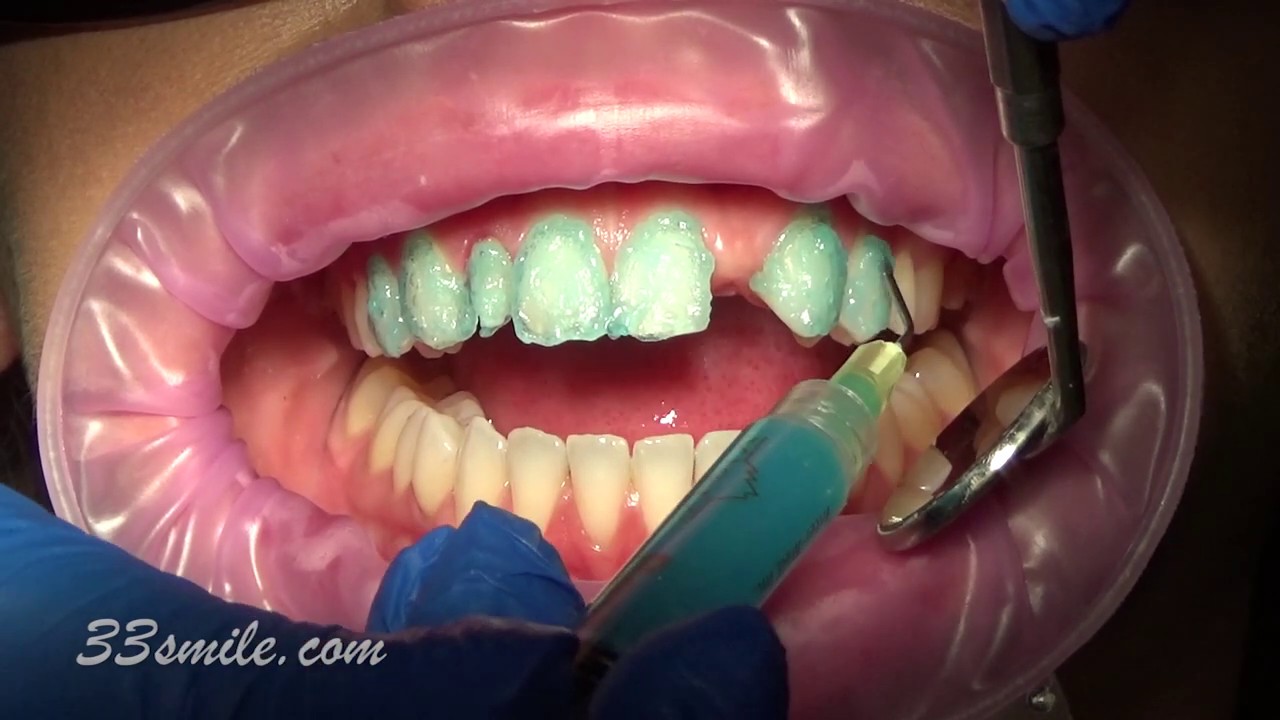
These wafer-thin shells are made of porcelain and are created in our lab specifically for you before being bonded over top of your teeth with a specialized form of cement.  They will mask just about any imperfection in your smile, but veneers are not necessarily for everyone; let's find out if they are right for you.

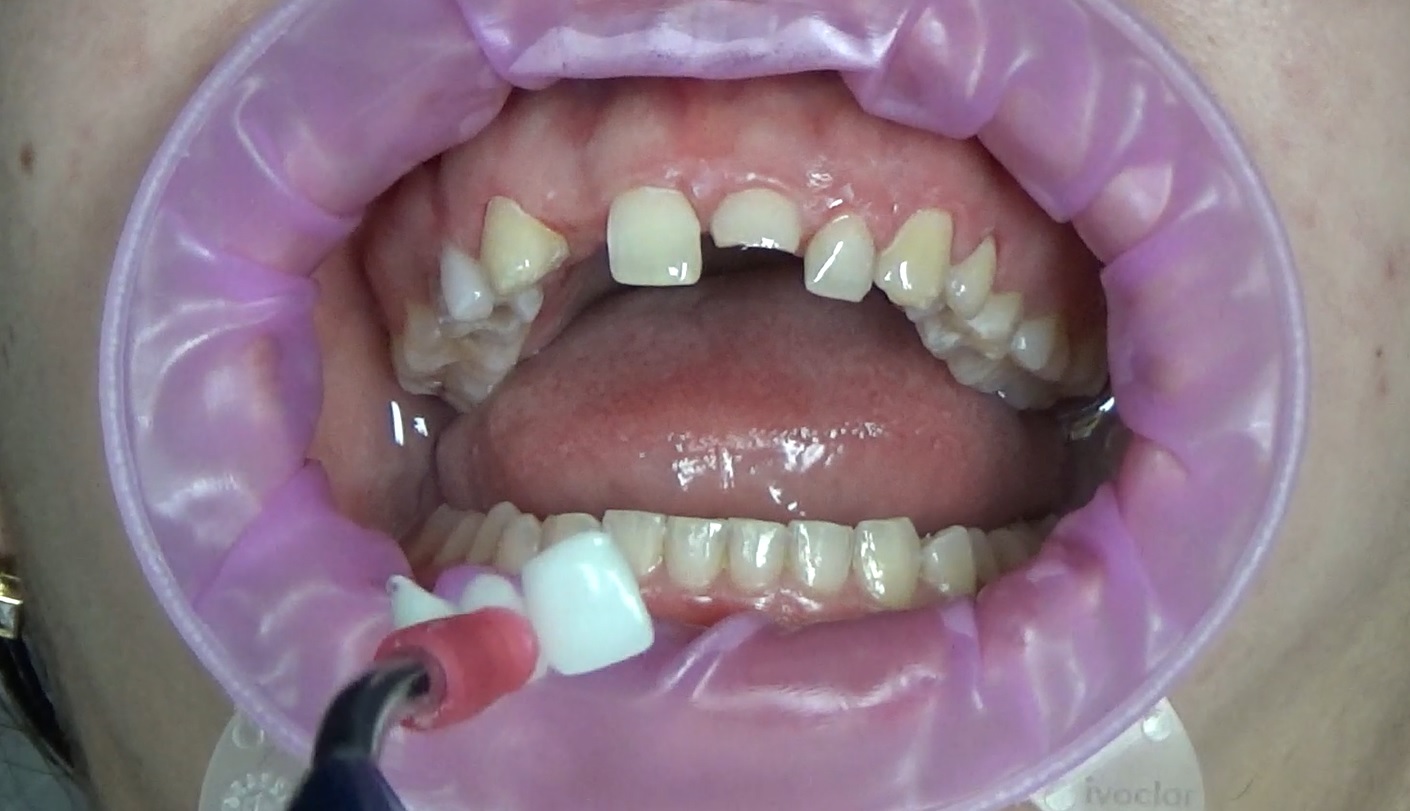
The versatility of veneers means they are indeed appropriate for many patients who suffer from a variety of issues.  If you reside in or around San Antonio, dental veneers can be used for the following applications: a chipped or broken tooth can be hidden from view, an oversized gap between teeth can be covered up, or an entire smile makeover can even be achieved.

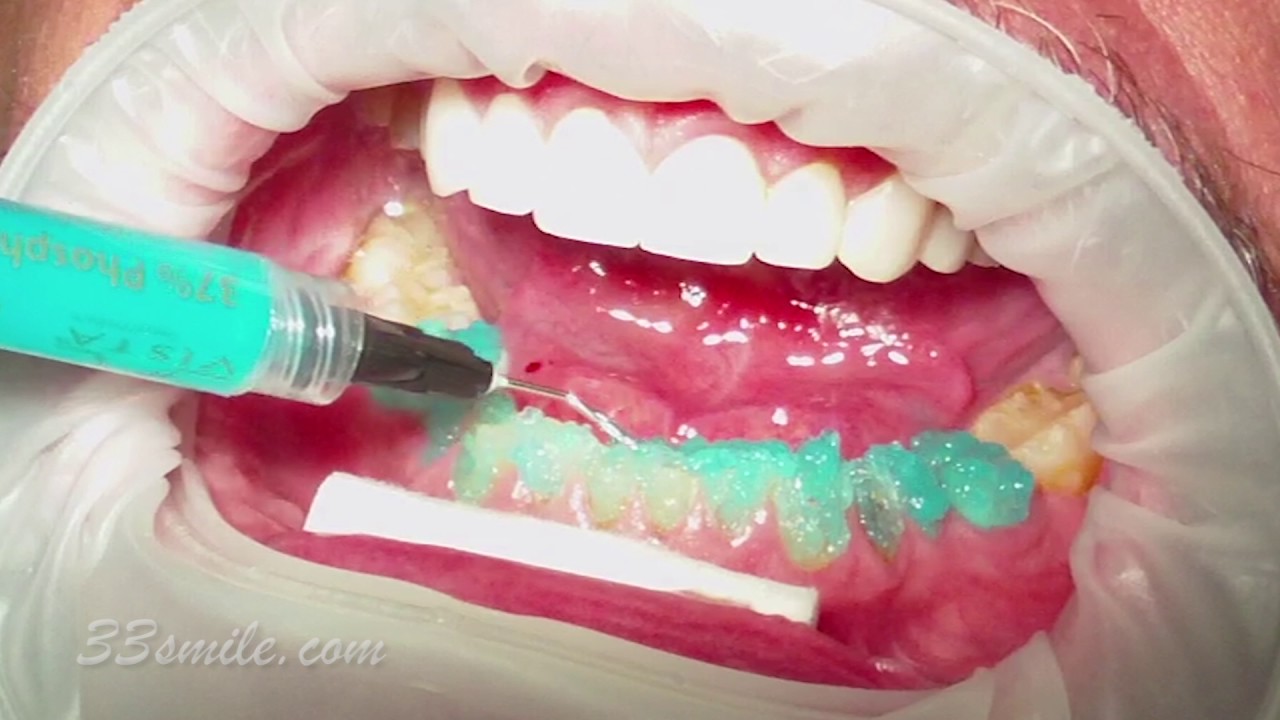
If you have any of those issues and think veneers could be the answer, you should schedule a consultation today to determine whether or not that is truly the case.  If it is determined that they are the best solution to your tooth troubles, the next step is to discover how many you will need.  Next up, San Antonio, Texas, dentist Dr. John Moore DDS and his staff will make an impression of your teeth.  From there, you will get temporary shells which will be removed in favor of the permanent ones once they have been crafted.  Once that is completed, you can go back to smiling with confidence.

Why Teeth Don’t Stay White Forever on Their Own

Wednesday, August 24th, 2011

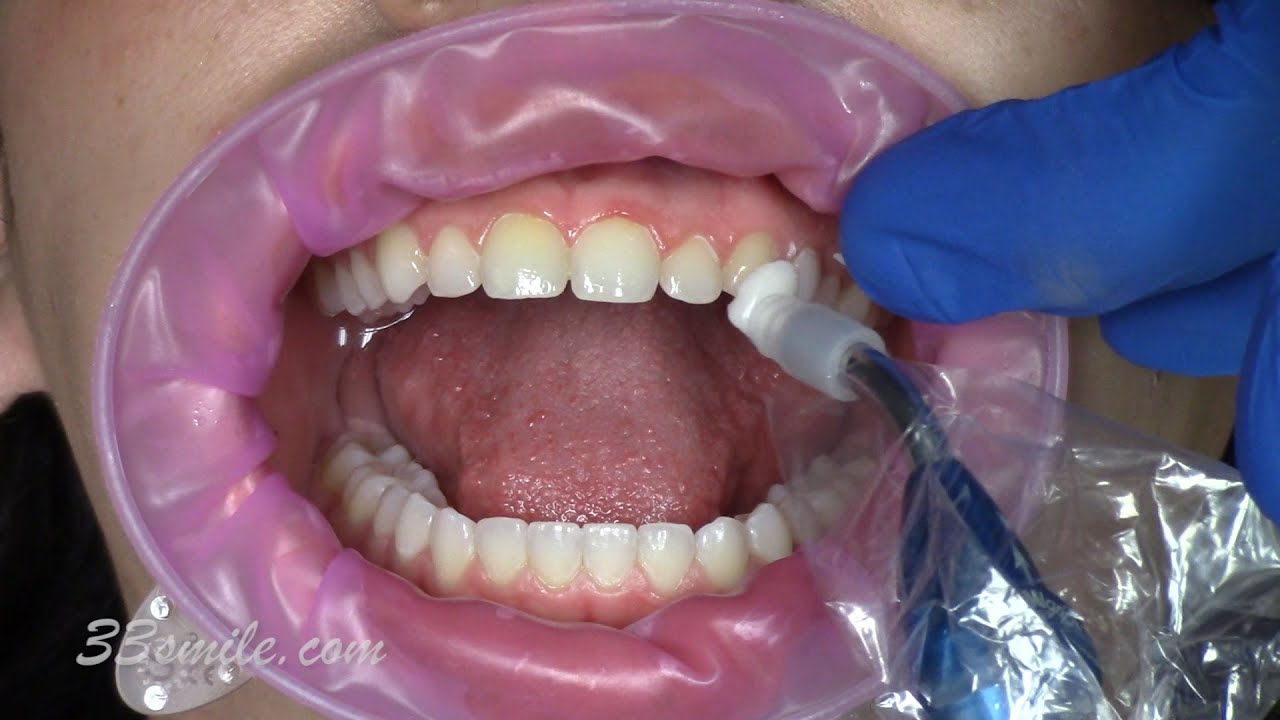
Just about everyone wishes they had whiter teeth; and why not?  Of course, your teeth’s enamel is naturally white before being put through the rigors of years of daily wear and tear. Over time, the enamel breaks down and the yellow dentin behind your enamel shows through, which can in turn make people extremely self-conscious of them when smiling.  Everyone wants to have a nice smile that leaves an impression on others and looks nice in photos – especially with your friends’ propensity for uploading those photos for the entire internet to see.  If you live in the area, the best answer to whitening your teeth may be finding a San Antonio cosmetic dentist to perform a teeth whitening procedure.

Before making the decision to have your teeth whitened, it’s important that you truly understand the process that leads to the loss of whiteness and how it can be combatted.  That beautiful white enamel exists to protect the teeth from chewing, gnashing and acid attacks.  But as millions of tiny cracks are formed in the enamel, that yellow dentin mentioned earlier can start to show through over time. 

When you get right down to it, there are two types of stains (extrinsic and intrinsic) that negatively affect the teeth.  Let’s start with the extrinsic kind.  These are your run-of-the-mill superficial blemishes that commonly form on the surface as a result of consuming dark-colored drinks, food and tobacco.  Simply brushing your teeth or having prophylactic dental cleaning performed by San Antonio dentists will eliminate most extrinsic problems.  When they are particularly stubborn, however, more involving measures like teeth whitening may be required to restore the natural beauty of your teeth.

Now that you understand extrinsic, you can probably guess what intrinsic stains are.  That’s right; these bad boys are the more serious type of stain that occurs on the interior of teeth.  Their appearance is usually linked to aging, trauma, exposure to minerals during tooth formation and/or excessive ingestion of fluoride.  While it was once believed that not even teeth whitening could eliminate these stains, modern dentistry has proven otherwise.  It is now widely recognized within the dental community that professional take-home whitening kits can be utilized under supervision for a period of several months to a year in order to overcome even deep-set intrinsic stains.  Come visit the best dentist in San Antonio to learn about how this procedure can restore the once luminescent appearance of your own teeth.

Proper Oral Health for Toddlers and Children

Tuesday, August 23rd, 2011

Oral health care professionals and dentists agree that the foundations for proper adult oral health begin with proper infant and early childhood oral health. It’s never too early to start an oral health regimen with children to help protect developing teeth and gums, prevent future cosmetic dental work. To help parents and guardians plan an oral health regimen appropriate for their individual child, it's important to know what's going on at each step and what products are available to help guide and assist with the regimen. Research shows that Oral B has one of the best dental care lines available for children from four months old to twelve years old; it is called Oral B Stages.

With each stage of the Oral B Stages, corresponding products, cartoons and designs to help encourage a daily regimen of fun activities for optimal oral health. Below is the breakdown of the 4-24 months and 2-4 year old groups of the Oral B Stages line of children's products that correlate to those age groups.

Stage 1 (4-24 months):

As an infant, the most important aspect of oral health is gum health. Proper gum health is important prior to the first appearance of teeth and throughout a person's life. By using age-appropriate Winnie-the-Pooh toothbrushes that extra soft bristles just right for the stimulation of tender baby gums and teeth, a parent can ensure that baby's mouth will have the best care possible with daily brushing and stimulation. It is important to choose a toothpaste that does not contain fluoride, as fluoride is not appropriate for little mouths.

Stage 2 (2-4 years):

As a toddler and preschooler, the most important aspect of oral health is allowing children to do it by themselves. While toddlers and preschoolers might not be the best at brushing their own teeth, they love the opportunity to try. By allowing toddlers and preschoolers to brush their teeth first and following behind with a quick once over, adults can help develop their child's growing mouths and growing independence. Oral B has designed their Stage 2 toothbrushes with fade indicators in the shape and size of the recommended toothpaste amount, to help little ones learn to use the right amount of age-appropriate and mild-flavored toothpaste. Plus, these little bundles of energy will love having a special time of day with their favorite Winnie the Pooh characters, Pooh and Tigger.

Creating an age-appropriate oral health care regimen for your infant, toddler or preschooler will help your child develop proper oral health and ensure that future cosmetic dentistry will not necessary. For more help with oral care and creating a daily oral care regimen, contact your local San Antonio dentist and be sure to schedule regular visits to ensure proper oral health.

Knowing When to Toss the Toothbrush

Tuesday, August 23rd, 2011

When your bristles start to fray and the colored strip turns grey, it's time to change your toothbrush! Image courtesy of Colgate.com.Every day, perhaps two or three times a day, adults and children across the globe brush their teeth at the recommendation of their cosmetic dentist. With electronic toothbrushes, regular toothbrushes, toothbrushes with soft, medium, and firm bristles, toothbrushes with tongue cleaners, toothbrushes with massagers, toothbrushes with cartoon characters, travel toothbrushes, toothbrushes for people with braces, toothbrushes with cupped or domed bristles, and toothbrushes with various head sizes, people attempt to rid their teeth of grime, sugar build up, plaque, tartar and that annoying film caused by a popular fruity cereal from the stone age.  But regardless of toothbrush choice, it is important to understand that toothbrushes are not in and of themselves the solution to proper oral health and care. It is also important to regularly see your dentist and schedule appointments with your cosmetic dentist if cosmetic dentistry is needed. It is likewise important to understand when to toss that beloved toothbrush and go in search of a replacement. 

While many people know about the colored strips built into toothbrush bristles that are indicators of when a toothbrush should be thrown away and replaced, not all toothbrushes have these fancy indicators and sometimes toothbrushes should be replaced before the indicators fade. Generally speaking, cosmetic dentists and oral healthcare professionals recommend changing your toothbrush every three months or when the toothbrush begins to show wear or when the indicators begin to fade, whichever comes first. If your toothbrush is bowing out due to hard brushing habits or extensive use, replace it. It is important to maintain strong bristles for proper tooth and gum health.

Likewise, to maintain proper oral health, it is important to replace your toothbrush after you've had a cold or illness. Bristles can accumulate germs which can lead to reinfection or further infection. If your family keeps your toothbrushes in a toothbrush holder or cup, and someone gets sick, get everyone a new toothbrush to prevent the cold from spreading. Quarantine the toothbrush of the cold-bearer until their symptoms have gone, then give them their new toothbrush. Knowing when to replace toothbrushes is just one of the many steps to proper oral health.

Proper oral health includes regular appointments with your cosmetic dentist or oral healthcare professional, and daily brushing and flossing. For more information on proper oral health, visit your favorite toothbrush company's website or ask your local San Anotonio dentist about proper oral health and how your family can make oral health a priority to prevent future cosmetic dentistry needs.

Canker Sores Management -Health Tips From Your San Antonio Cosmetic Dentist

Thursday, April 7th, 2011
As a long term San Antonio dentist, I get all kinds of questions. One thing that dental patients sometime ask about is canker sores.
 
Aphthous ulcers, or canker sores, is an autoimmune disorder that has many poorly understood triggering factors that are different from patient to patient; thus no product or technique is universally effective on all patients. 
 
Prevention is key when it comes to decreasing the recurrence, duration and severity of a canker sore outbreak:
 
  1. Avoid abrasive foods such as nuts, potato chips, hard candy and pretzels
  2. Avoid triggering foods such as chocolates, beer and acidic foods
  3. Avoid dental products with sodium lauryl sulfate
    1. Biotene and Rembrandt are two products that don’t contain this ingredient
  4. Listerine mouthwash is recommended for prevention, but not for treatment because the alcohol will burn the lesion
  5. Reduce trauma to the oral tissues
    1. Toothbrush trauma
    2. Cheek biting
    3. Chewing pen caps
  6. Reduce stress
For relief, apply benzocaine to the area and take an allergy medicine, such as Benadryl. If the canker sores persist for over two weeks, call your San Antonio dentist Dr. John Moore for further evaluation.