Cosmetic

Sugar’s Not the only Enemy in the War Against Yellowing Teeth

Friday, January 27th, 2012

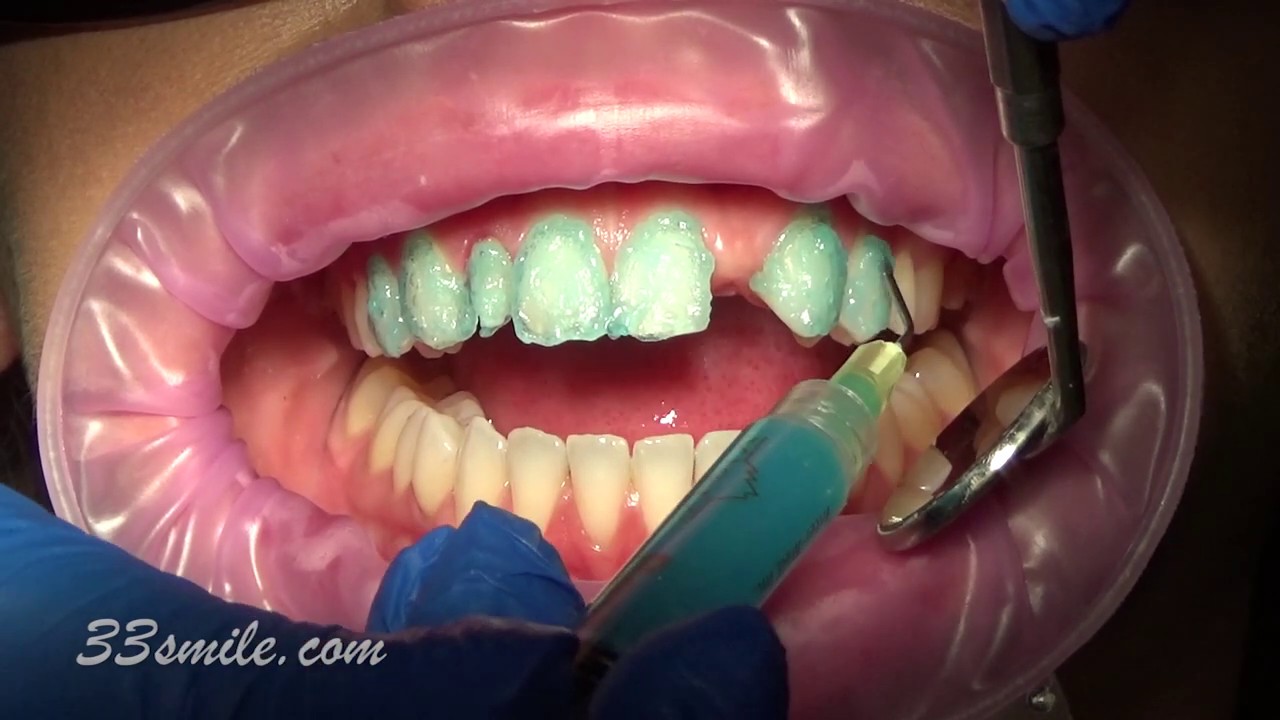
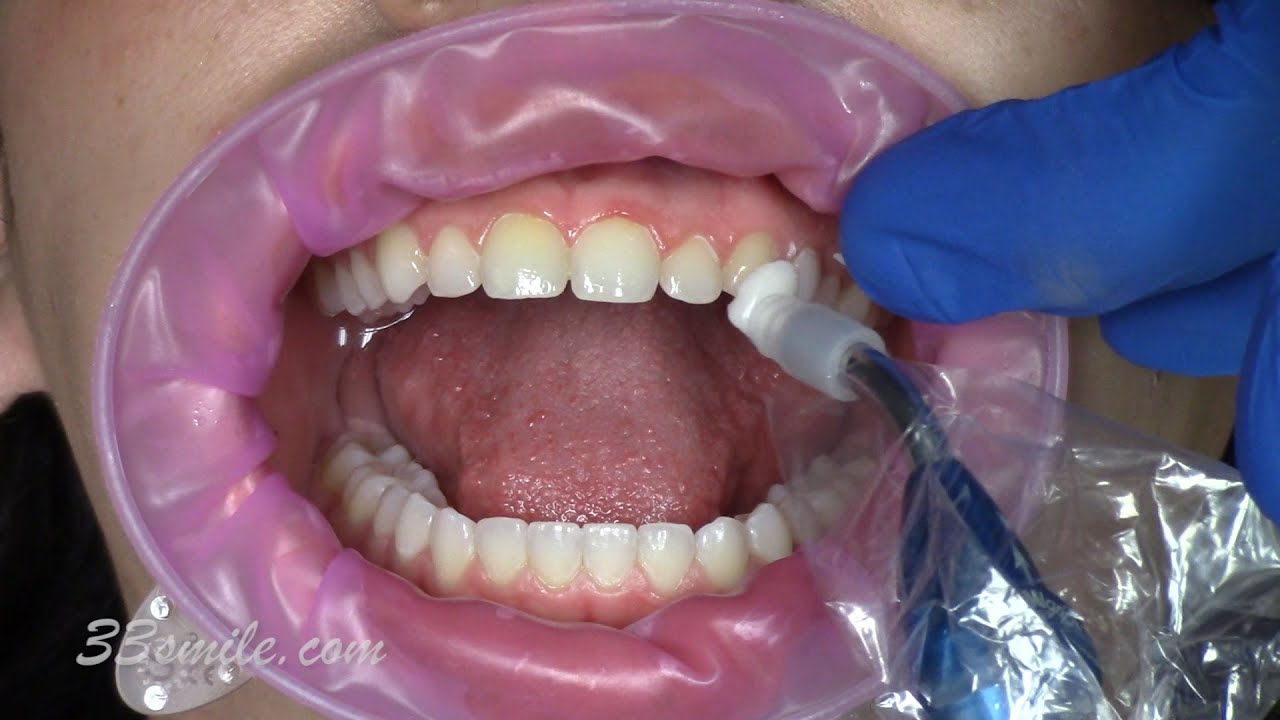
We’ve helped a lot of people get whiter teeth here at Cosmetic Dental Associates, and there’s one question they all want answered: how do teeth turn yellowish/brownish to begin with? Sure, there are certain foods, like candy, that we all know to avoid as much as possible. But there’s a lot more to teeth discoloration than just chocolate and gummy bears.

As we age, our teeth tend to darken. It isn’t a direct result of aging, but rather one of the normal wear-and-tear that occurs over one’s life. That’s why teenagers see an immediate and dramatic effect from teeth whitening, while those in their 20s, 30s and so on require more work before they see the results they’re hoping for. It’s still possible to get whiter teeth by paying a visit to our San Antonio Cosmetic Dentist office, but older patients have more stubborn stains that take more work to clean up.

Genetics also plays a role in the color of your teeth. All teeth have some level of translucency, but those that are naturally more dense have an advantage over thinner, clearer chompers. Front teeth in particular have less of the pigment that is needed for bleaching.

The starting color of your teeth plays into the equation as well. Everyone’s teeth have a natural color of either yellow-brown or greenish-gray. It’s true; beneath even the pearliest of whites is a much darker shade. Yellow-brown shades tend to be easier to whiten than green-gray ones, so more work will be required if you fall into the latter category.

The environmental factors working against many of us underscore the importance of avoiding sugary drinks, smoking and candy in order to keep your smile looking fantastic.

Bridging the Gap

Friday, September 23rd, 2011

Are you missing one or more teeth?  If so, you should be aware that it can lead to a variety of other dental issues.  An uneven shift in your teeth can occur, you could develop a condition called TMJ and you even face an increased risk of getting periodontal disease, tooth decay and more.  Your best bet is to come in and see our San Antonio dental experts and discuss having a bridge or multiple bridges put in, depending on your situation. 

The decision to have dental bridges put in should not be taken lightly, as they are a permanent solution.  Since they are cemented into your mouth, they cannot be removed.  There are three types of these implants: conventional fixed bridges, cantilever bridges and resin-bonded bridges.  With the first two, the teeth surrounding the missing one are "shaped" and then crowns/caps are placed over them and an artificial tooth is dropped in.  Conversely, resin-bound bridges do not require as much prep work and are commonly used in San Antonio cosmetic dentistry to fill in gaps in the front teeth when the gums and surrounding teeth are healthy and mostly free of fillings.

Bridges begin to feel more natural over time and patients almost always feel happier and more comfortable than removable dentures.  You will most likely start to feel like the implant is natural after, at most, 48 hours.  Finally, bridges have a more organic appearance than other treatments, so your smile will continue to look great.

Are Dental Veneers the Answer for You?

Thursday, September 22nd, 2011

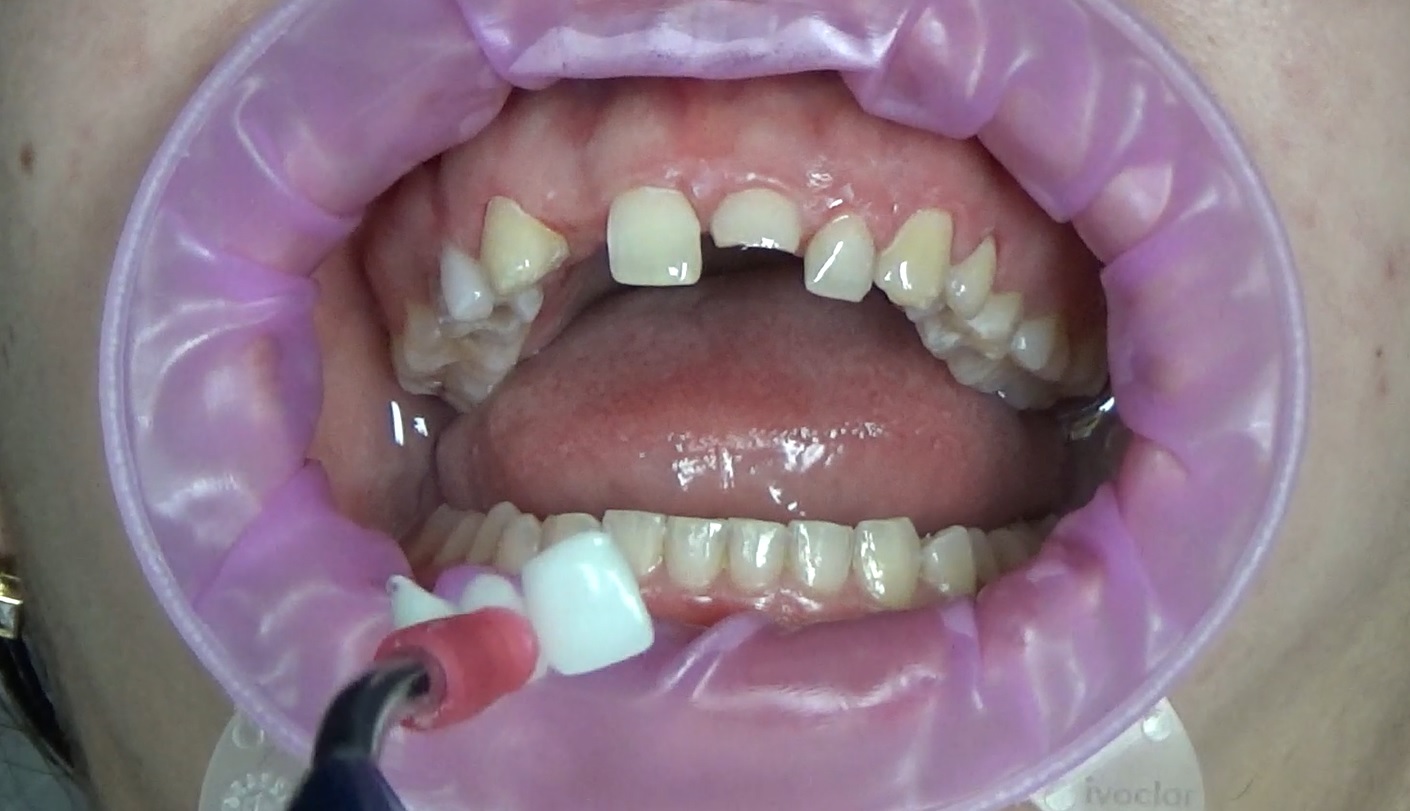
If you're unsatisfied with the color, shape, length or size of your teeth, dental veneers might be the best option for you.  Our San Antonio dental staff can inspect your teeth and tell you if this is the best procedure for your individualized needs. 

These wafer-thin shells are made of porcelain and are created in our lab specifically for you before being bonded over top of your teeth with a specialized form of cement.  They will mask just about any imperfection in your smile, but veneers are not necessarily for everyone; let's find out if they are right for you.

The versatility of veneers means they are indeed appropriate for many patients who suffer from a variety of issues.  If you reside in or around San Antonio, dental veneers can be used for the following applications: a chipped or broken tooth can be hidden from view, an oversized gap between teeth can be covered up, or an entire smile makeover can even be achieved.

If you have any of those issues and think veneers could be the answer, you should schedule a consultation today to determine whether or not that is truly the case.  If it is determined that they are the best solution to your tooth troubles, the next step is to discover how many you will need.  Next up, San Antonio, Texas, dentist Dr. John Moore DDS and his staff will make an impression of your teeth.  From there, you will get temporary shells which will be removed in favor of the permanent ones once they have been crafted.  Once that is completed, you can go back to smiling with confidence.

Why Teeth Don’t Stay White Forever on Their Own

Wednesday, August 24th, 2011

Just about everyone wishes they had whiter teeth; and why not?  Of course, your teeth’s enamel is naturally white before being put through the rigors of years of daily wear and tear. Over time, the enamel breaks down and the yellow dentin behind your enamel shows through, which can in turn make people extremely self-conscious of them when smiling.  Everyone wants to have a nice smile that leaves an impression on others and looks nice in photos – especially with your friends’ propensity for uploading those photos for the entire internet to see.  If you live in the area, the best answer to whitening your teeth may be finding a San Antonio cosmetic dentist to perform a teeth whitening procedure.

Before making the decision to have your teeth whitened, it’s important that you truly understand the process that leads to the loss of whiteness and how it can be combatted.  That beautiful white enamel exists to protect the teeth from chewing, gnashing and acid attacks.  But as millions of tiny cracks are formed in the enamel, that yellow dentin mentioned earlier can start to show through over time. 

When you get right down to it, there are two types of stains (extrinsic and intrinsic) that negatively affect the teeth.  Let’s start with the extrinsic kind.  These are your run-of-the-mill superficial blemishes that commonly form on the surface as a result of consuming dark-colored drinks, food and tobacco.  Simply brushing your teeth or having prophylactic dental cleaning performed by San Antonio dentists will eliminate most extrinsic problems.  When they are particularly stubborn, however, more involving measures like teeth whitening may be required to restore the natural beauty of your teeth.

Now that you understand extrinsic, you can probably guess what intrinsic stains are.  That’s right; these bad boys are the more serious type of stain that occurs on the interior of teeth.  Their appearance is usually linked to aging, trauma, exposure to minerals during tooth formation and/or excessive ingestion of fluoride.  While it was once believed that not even teeth whitening could eliminate these stains, modern dentistry has proven otherwise.  It is now widely recognized within the dental community that professional take-home whitening kits can be utilized under supervision for a period of several months to a year in order to overcome even deep-set intrinsic stains.  Come visit the best dentist in San Antonio to learn about how this procedure can restore the once luminescent appearance of your own teeth.

Proper Oral Health for Toddlers and Children

Tuesday, August 23rd, 2011

Oral health care professionals and dentists agree that the foundations for proper adult oral health begin with proper infant and early childhood oral health. It’s never too early to start an oral health regimen with children to help protect developing teeth and gums, prevent future cosmetic dental work. To help parents and guardians plan an oral health regimen appropriate for their individual child, it's important to know what's going on at each step and what products are available to help guide and assist with the regimen. Research shows that Oral B has one of the best dental care lines available for children from four months old to twelve years old; it is called Oral B Stages.

With each stage of the Oral B Stages, corresponding products, cartoons and designs to help encourage a daily regimen of fun activities for optimal oral health. Below is the breakdown of the 4-24 months and 2-4 year old groups of the Oral B Stages line of children's products that correlate to those age groups.

Stage 1 (4-24 months):

As an infant, the most important aspect of oral health is gum health. Proper gum health is important prior to the first appearance of teeth and throughout a person's life. By using age-appropriate Winnie-the-Pooh toothbrushes that extra soft bristles just right for the stimulation of tender baby gums and teeth, a parent can ensure that baby's mouth will have the best care possible with daily brushing and stimulation. It is important to choose a toothpaste that does not contain fluoride, as fluoride is not appropriate for little mouths.

Stage 2 (2-4 years):

As a toddler and preschooler, the most important aspect of oral health is allowing children to do it by themselves. While toddlers and preschoolers might not be the best at brushing their own teeth, they love the opportunity to try. By allowing toddlers and preschoolers to brush their teeth first and following behind with a quick once over, adults can help develop their child's growing mouths and growing independence. Oral B has designed their Stage 2 toothbrushes with fade indicators in the shape and size of the recommended toothpaste amount, to help little ones learn to use the right amount of age-appropriate and mild-flavored toothpaste. Plus, these little bundles of energy will love having a special time of day with their favorite Winnie the Pooh characters, Pooh and Tigger.

Creating an age-appropriate oral health care regimen for your infant, toddler or preschooler will help your child develop proper oral health and ensure that future cosmetic dentistry will not necessary. For more help with oral care and creating a daily oral care regimen, contact your local San Antonio dentist and be sure to schedule regular visits to ensure proper oral health.