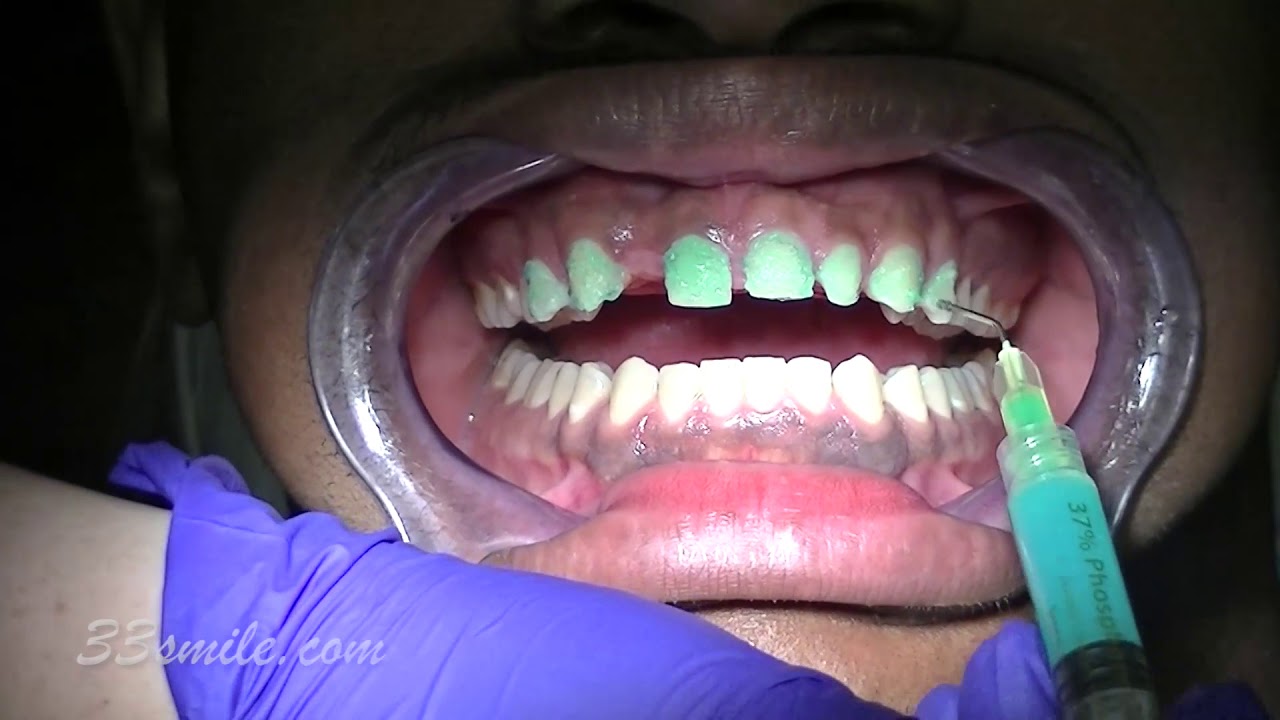
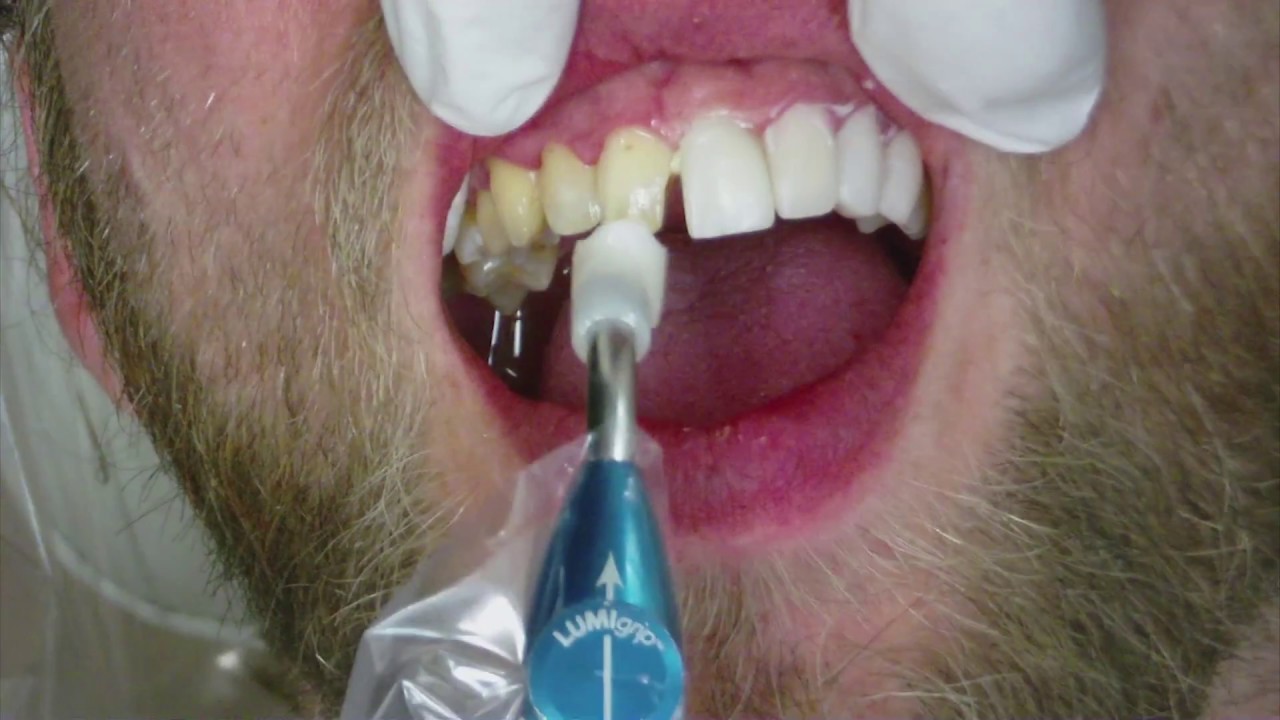
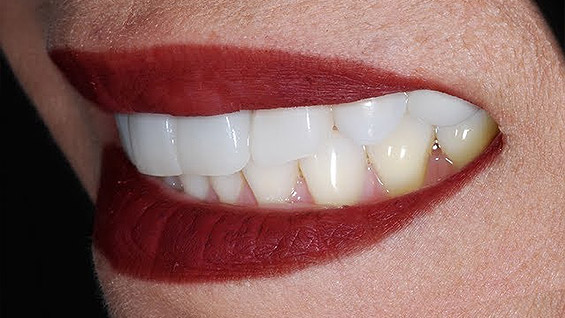
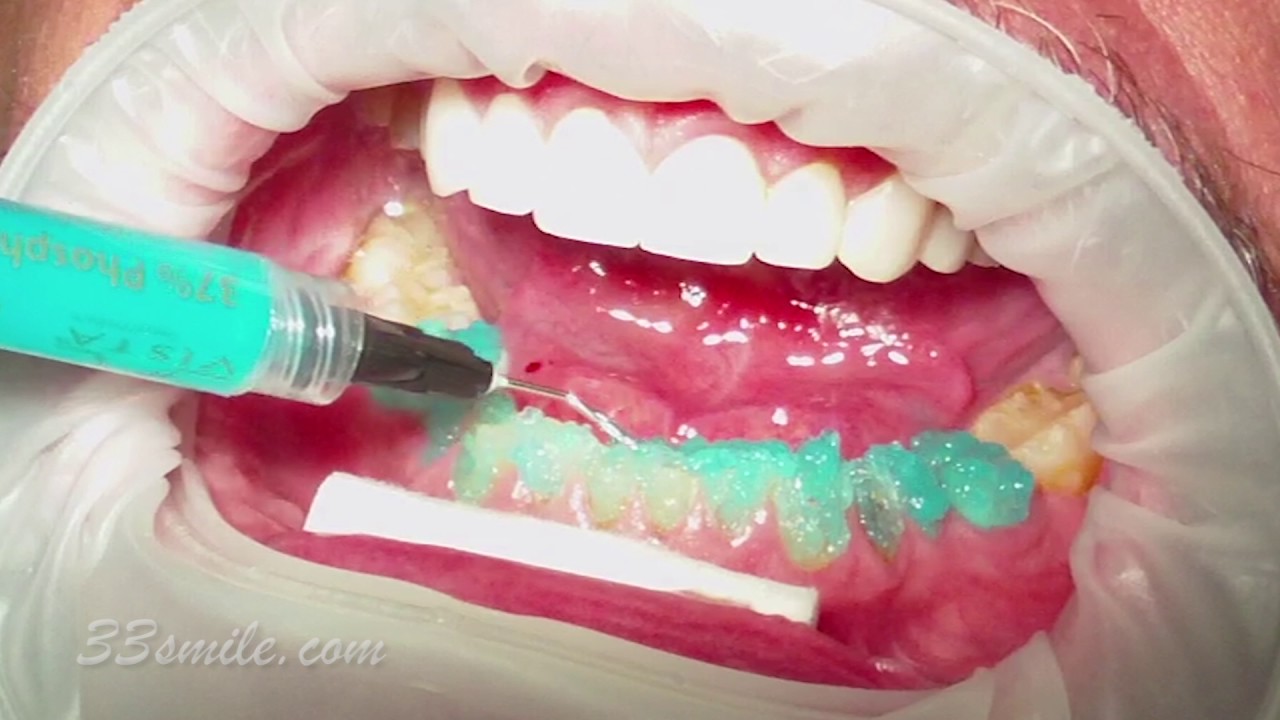
Teeth whitening ranks as the most popular procedure in the growing field of cosmetic dentistry in San Antonio, Texas. Teeth whitening is commonly valued by men and women alike all over San Antonio. Teeth Whitening treatments, sometimes referred to as bleaching, are available to suit every budget, time frame and personality.
Teeth whitening solutions are thriving in San Antonio, whether in the form of one-hour teeth whitening sessions at your San Antonio dentist’s office or home-use teeth whitening kits purchased at your local San Antonio drugstore. Yet less than 20 percent of the population has considered teeth whitening, because of widespread misinformation on the teeth whitening process.
Though sometimes criticized, teeth whitening from our San Antonio dentists actually work well. Those who choose this cosmetic treatment will see noticeable improvements in the appearance of their smile. Teeth whitening require maintenance for a prolonged effect. Below you will find some useful tips for teeth whitening from our dentist in San Antonio, Dr. John Moore DDS.
Videos

Bleaching versus Teeth Whitening

The term “bleaching” is permitted to be used only when the teeth can be whitened beyond their natural color, according to the FDA. This applies strictly to products that contain bleach. Typically hydrogen peroxide or carbamide peroxide fall under this category.
On the other hand, the term “teeth whitening” refers to restoring a tooth’s surface or original color by removing dirt and debris. So any product that cleans such as toothpaste is considered a whitener. The term teeth whitening is used more frequently, even when describing products that contain bleach.
Why Teeth Whitening? Examining Enamel
White teeth are something that most of us start out with, mostly because of porcelain-like enamel surface. Tooth enamel, composed of microscopic crystalline rods, is made to protect the teeth from the effects of chewing, gnashing, trauma and acid attacks caused by sugar. Enamel is worn down over the years, becoming more transparent and permitting the yellow color of dentin, which is the tooth’s core material, to show through.
During normal chewing, dentin stays intact while millions of micro-cracks form in the enamel. It is these cracks, and also the spaces between the crystalline enamel rods, that gradually fill up with stains and debris. As a result of this, a dull, lackluster appearance in teeth eventually develops.
Stains and debris are removed during the teeth whitening process, by San Antonio dentists using teeth whitening, such as Dr. John Moore DDS, leaving the enamel cracks open and exposed. Saliva quickly re-mineralizes some of the cracks, while organic debris fills up the others.
Tooth Discoloration: The Two Types of Tooth Stains
Extrinsic staining and intrinsic staining are the two categories of staining as it relates to the teeth.
Extrinsic stains appear on the surface of a tooth. Routine wear and tear, exposure of dark-colored beverages, foods and tobacco are the common causes of this. Superficial extrinsic stains are minor and can be removed by brushing and prophylactic dental cleaning. Tooth whitening and other more involved efforts can remove stubborn extrinsic stains. If they are not dealt with early, continuous extrinsic stains can penetrate into the dentin and become ingrained.
Those that form on the interior of teeth are referred to as intrinsic stains. Trauma, aging, exposure to minerals during tooth formation and/or excessive ingestion of fluoride are the common causes of intrinsic stains. It used to be thought that intrinsic stains were too resistant to be corrected by teeth whitening and the procedure would have no effect. However, today’s cosmetic dentistry professionals in San Antonio believe that even deep-set intrinsic stains can be removed with a supervised take home teeth whitening system that is maintained over a few months for up to a year.
What Causes Tooth Staining?
Age: There is a strong relationship between tooth color and a person’s age. Teeth darken as a result of wear and tear and staining as a person gets older. Teenagers will likely experience immediate, dramatic results from the efforts of teeth whitening from a cosmetic dentist. Those in their twenties, whose teeth have begun to show their age with a yellow cast, may require more attention than just a regular teeth whitening system. By the time someone reaches their forties, yellowing teeth become a shade of brown and more intensive maintenance may be required to lift stains and discoloration. After reaching their fifties, a person’s teeth have absorbed a host of stubborn stains from years of use and abuse which can be difficult, although not impossible, to eliminate. The right San Antonio cosmetic dentist can perform teeth whitening to remove stubborn, built-up stains from years of continual build up.
Starting color: We are all equipped with an inborn tooth color that ranges from yellow-brown to green-gray, and intensifies over time. Yellow-brown is generally more responsive to teeth whitening than green-gray.
Translucency and thinness: Some genetic traits will become more pronounced with age. While all teeth show some translucency, the ones that are opaque and thick will have advantage. They appear lighter in color, show more sparkle and are more likely to respond to bleaching and teeth whitening. However, teeth that are thinner and more transparent, most of the time front teeth, have less of the pigment that is necessary for teeth whitening. According to cosmetic dentists, teeth whitening cannot correct the condition of transparency.
Eating habits: The consumption of red wine, coffee, tea, cola, carrots, oranges and other dark-colored beverages and foods causes considerable staining over the years. Also, acidic foods like citrus fruits and vinegar are key contributors to the enamel erosion process. The yellow-colored dentin shows as a result of the surface becoming more transparent.
Smoking habits: Nicotine will leave brown deposits which gradually soak into the tooth structure and cause discoloration.
Drugs / chemicals: Using tetracycline during teeth formation creates dark gray or brown ribbon stains. Removing these types of stains has proven to be difficult. Too much consumption of fluoride causes fluorosis, which is the process of the tooth’s surface becoming discolored. Fluorosis causes areas of white mottling, marked with blotches or spots.
Grinding: With stress being the most frequent cause, teeth grinding can cause small cracks in the teeth and can cause the biting edges to darken.
Trauma: Falls and other injuries can create sizable cracks in the teeth, which eventually start collecting large amounts of stains and debris that can be difficult for San Antonio teeth whitening and San Antonio cosmetic dentists to properly remove.
Options for Teeth Whitening
In-Office Teeth Whitening
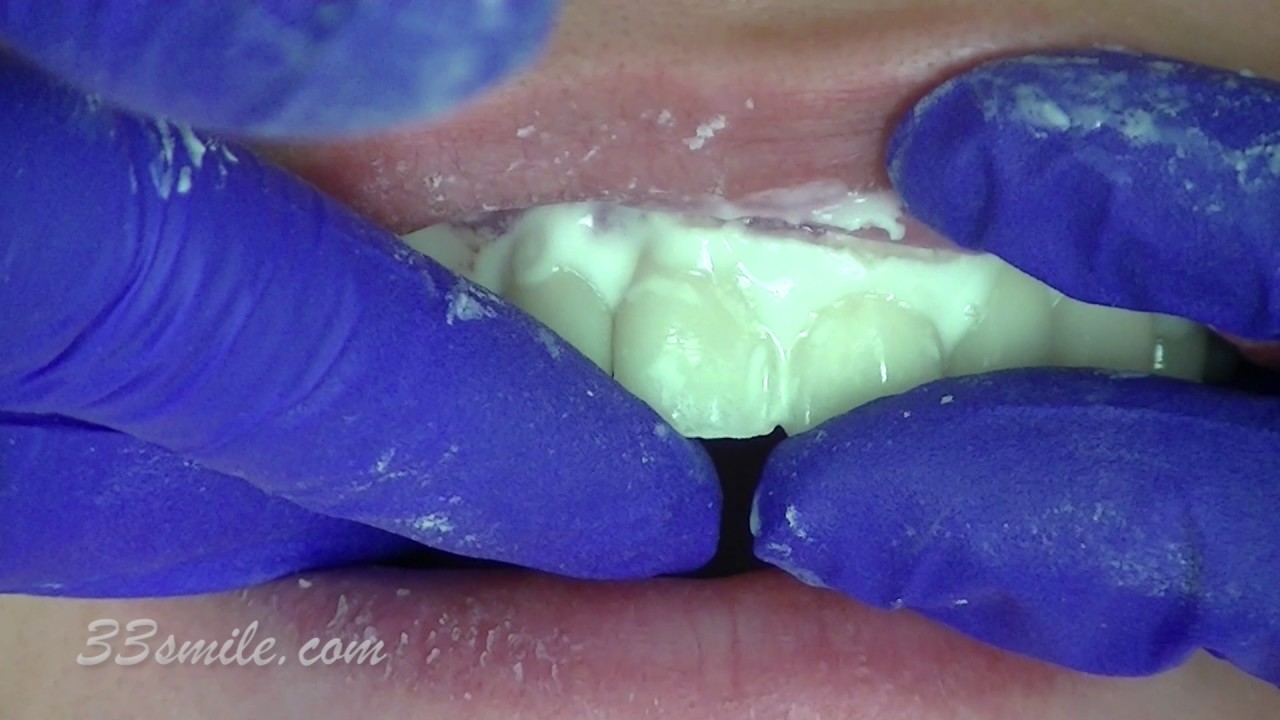
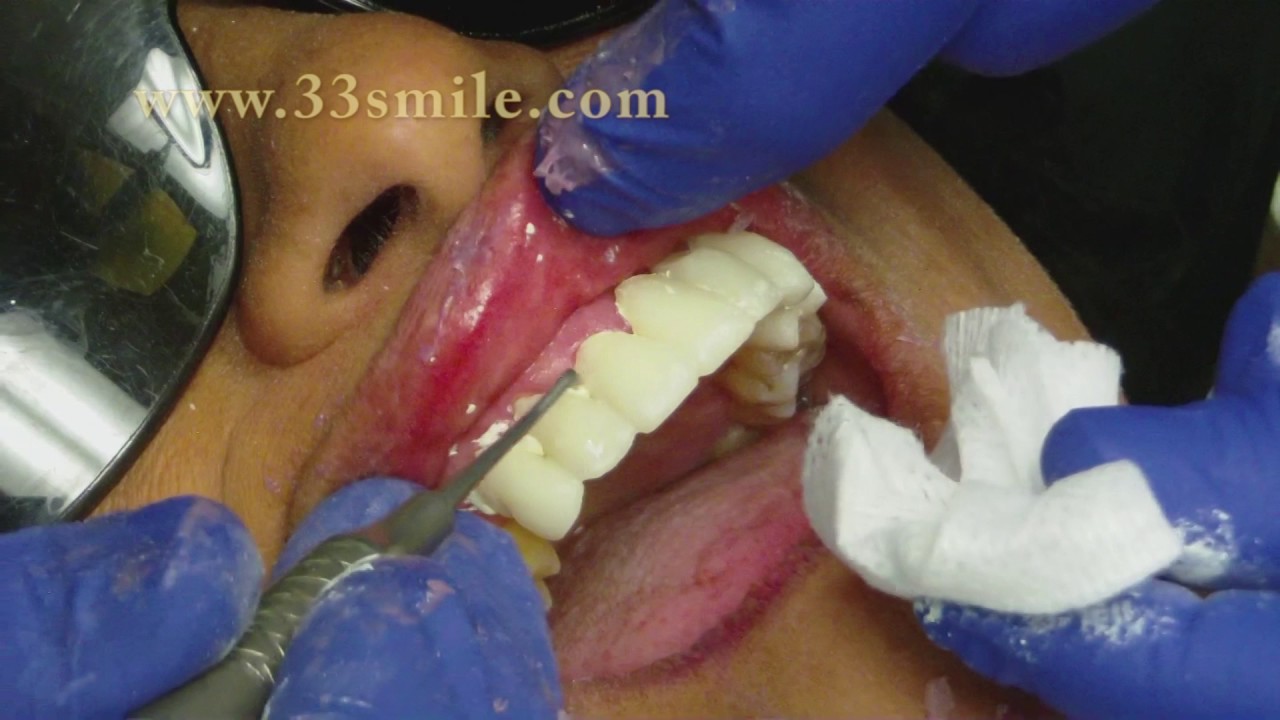
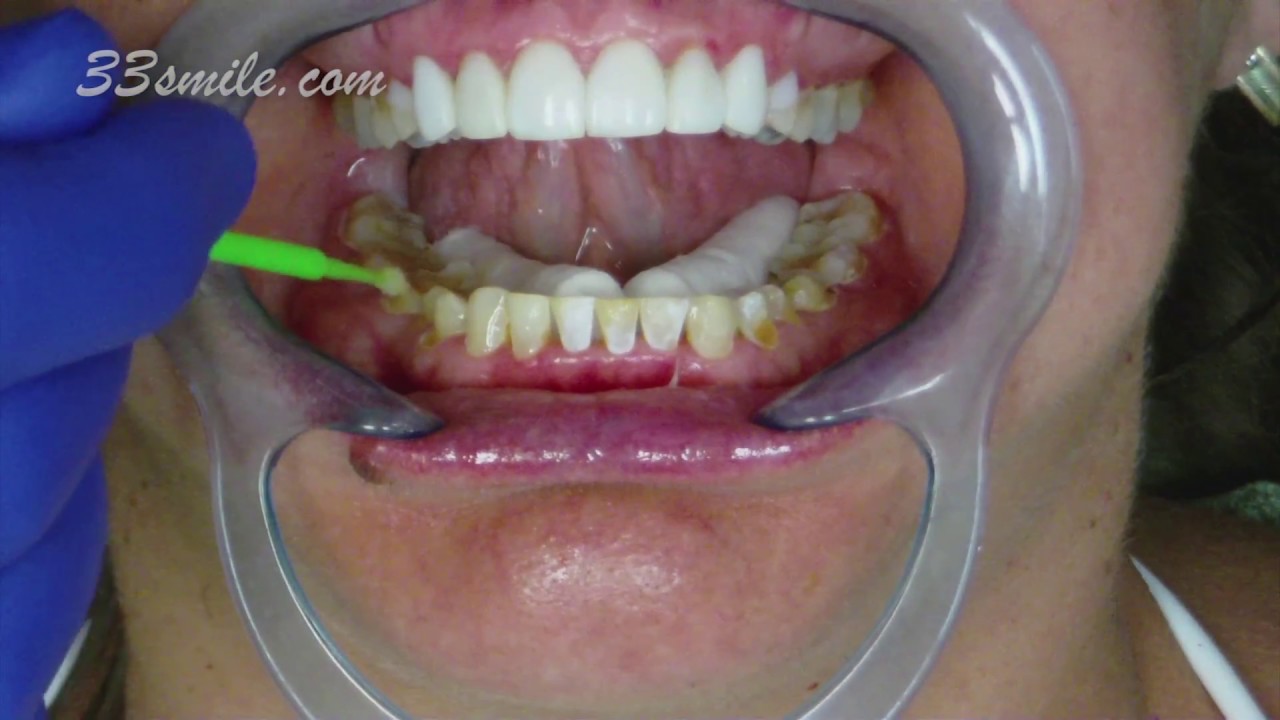
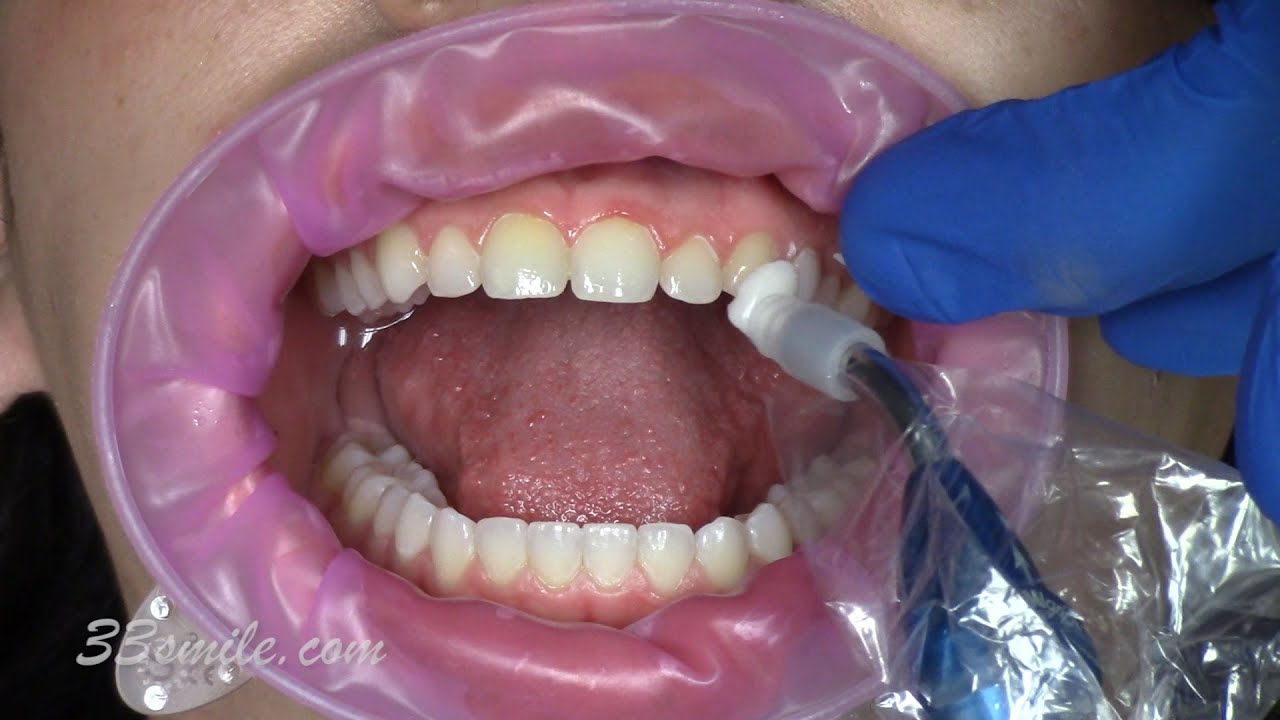
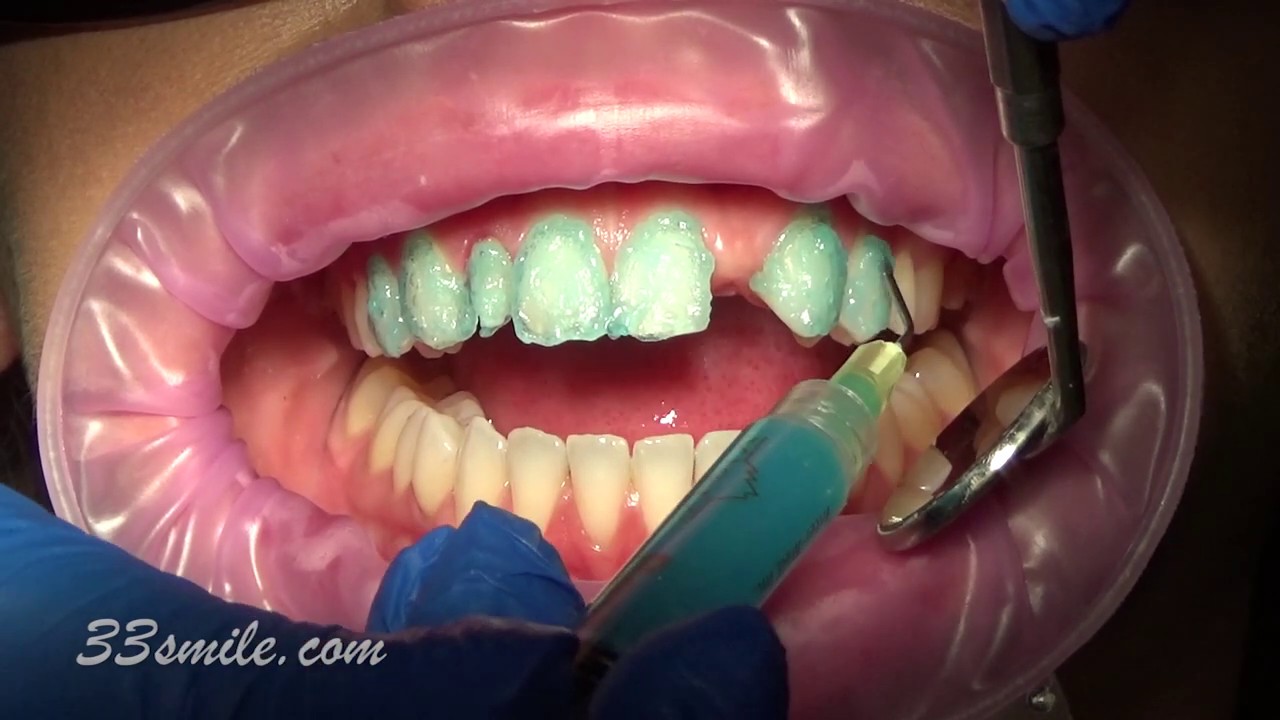
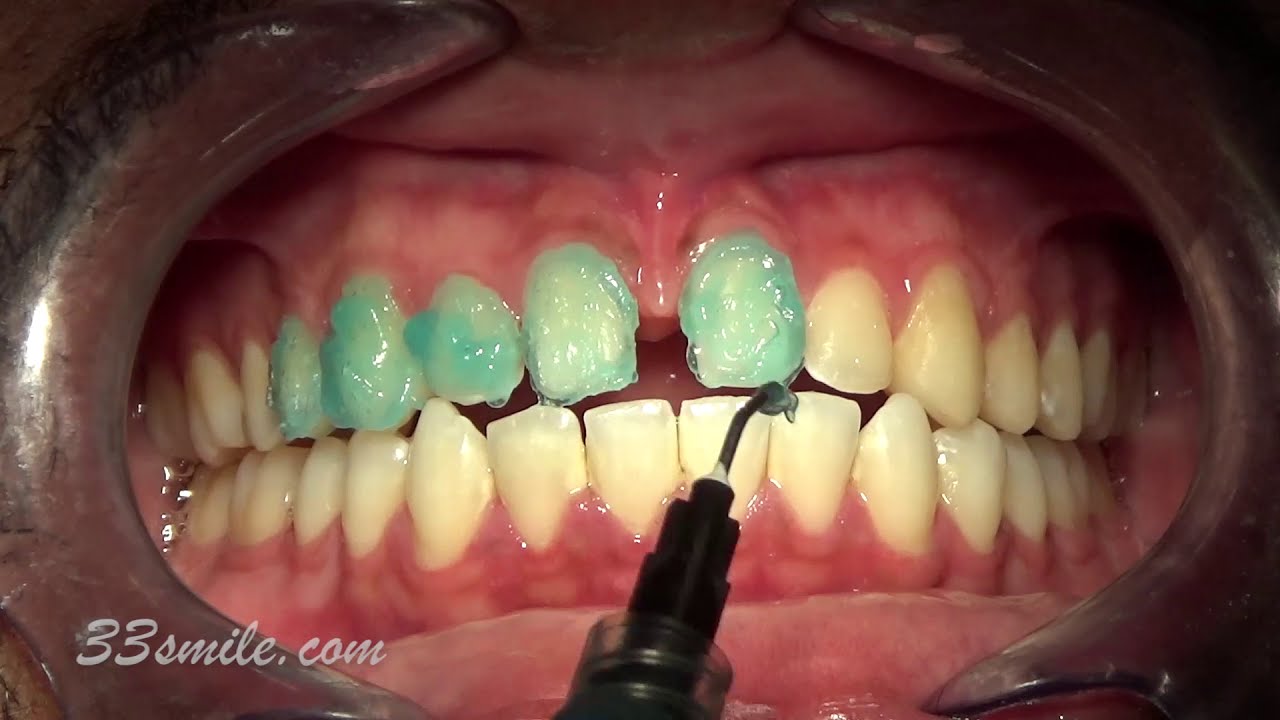
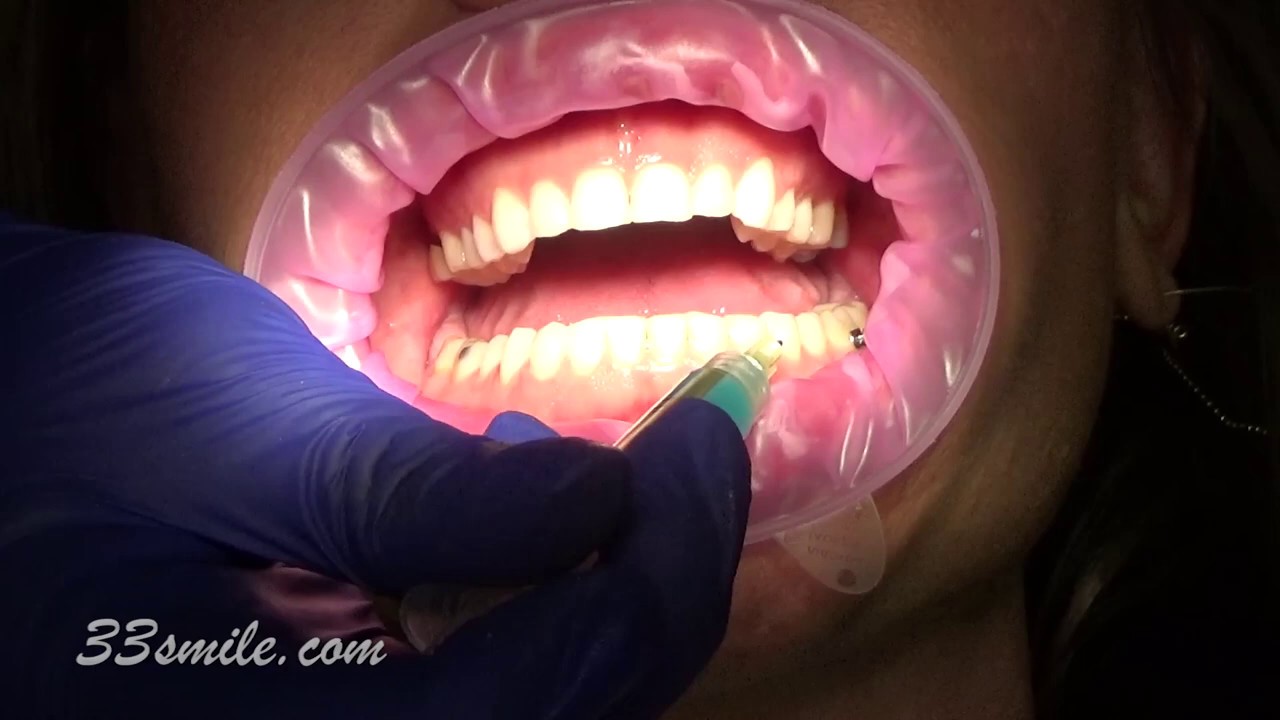
The key benefit of in-office San Antonio teeth whitening is that it can provide a major color change in a short period of time. This protocol involves the carefully controlled use of a fairly high-concentration peroxide gel, applied to the teeth by the dentist or trained dental assistant after the gums have been equipped with a painted-on rubber dam that is used for protection. Normally, the peroxide stays on the teeth for several intervals of 15 to 20 minutes each for up to one hour. Those with particularly stubborn or darker staining may be advised to return for an additional teeth whitening session or may be asked to continue the process using a take-home teeth whitening system.
Take-Home Teeth Whitening Kits
Many dentists have the opinion that professionally distributed take-home teeth whitening kits can produce the best results in the long run. Take-home kits include an easy-to-use lower-concentration peroxide gel that stays on the teeth for an hour or longer. Some users keep it on overnight. With a lower peroxide percentage, it can safely stay on the teeth for a longer period of time. The gel is applied to the teeth using custom made-to-fit teeth whitening trays that are similar to mouth guards. Consulting your cosmetic dentist is the best option before beginning a teeth whitening regimen.
How White Can You Go? A Matter of Aesthetics
The results of teeth whitening procedures vary considerably from person to person. Many people are immediately delighted with their outcome, while others may be disappointed that more work is needed. Before you start any teeth whitening treatment, ask your San Antonio cosmetic dentist for a realistic idea of the results you are most likely to have and how long it should take to reach them. Proper expectations play a key role in the teeth whitening process.
Teeth Whitening Risks
Teeth whitening treatments are usually safe when procedures are followed as directed by professionals, such as Dr. John Moore DDS. However, there are a number certain risks associated with teeth bleaching and teeth whitening that you should be aware of:
- Sensitivity: A temporary increase in sensitivity to temperature, pressure and touch can be caused by the teeth whitening procedures. This is more likely to occur during in-office teeth whitening, where there is higher-concentration of bleach. Some people experience spontaneous shooting pains down the middle of their front teeth.
People who have gum recession have the greatest risk for teeth whitening and bleaching sensitivity. Significant cracks in their teeth or leakage are a result of faulty restorations.
Teeth whitening sensitivity usually doesn’t last longer than a day or two, but there have been cases that it persisted up to a month. A toothpaste containing potassium nitrate for sensitive teeth is recommended by some dentists for the time following whitening procedures.
- Gum irritation: Gum irritation resulting from the bleach concentration or from contact with the teeth whitening trays is experienced by over half of those who use peroxide. This kind of irritation usually stays around for a few days, dissipating after teeth whitening has stopped or the peroxide concentration lowered.
- Technicolor teeth: Bonding, dental crowns or porcelain veneers and other restorations are not affected by bleach and will keep their default color while the surrounding teeth are whitened. This result of this is frequently called “technicolor teeth.”
Maintaining Your Whiter Smile
To keep the result of the newly whitened teeth, dentists will likely recommend:
- At-home follow-up or maintenance whitening solutions which can be implemented immediately or performed as infrequently as once a year.
- For at least a week after the initial whitening, it is recommended that patients avoid dark-colored foods and beverages.
- Sip dark-colored beverages through a straw whenever possible.
- Brush and floss after meals and at bedtime. Maintain general good dental hygiene.
Cautions
A number of caveats should also be considered before undergoing teeth whitening:
- No amount of bleaching will yield unnaturally white teeth.
- Sometimes it takes approximately two weeks after bleaching to see the results of teeth whitening. This is an important to know if you are about to have ceramic restorations and want to be sure the color is the same as your newly bleached teeth.
- Tooth-colored restorations will likely need replacement after teeth whitening to avoid the technicolor effect.
- Recessed gums often reveal their yellowish root surfaces at the gum line. That yellow color has proven difficult to bleach.
- Pregnant or nursing women are advised to avoid teeth whitening. The potential impact of swallowed bleach on the fetus or baby is not yet known
For more information about maintaining a bright white smile – see Teeth Whitening Tips or consider Invisalign. Our dentist in San Antonio, Dr. John Moore DDS, can provide teeth whitening in San Antonio TX, for more information, contact us.


About Us
Since Dr. John Moore's undergraduate years, he has...
Community Outreach
Cosmetic Dental Associates is a San Antonio dental...
Meet the New Associates
Dr. Brett Reeve, DDS was raised in Paradise CA and...
Payment Options
A commonly asked question is "How much does it cost?...
Cosmetic Dentistry
Cosmetic Dental Associates is one of the first offices...
Teeth Whitening
Teeth whitening ranks as the most popular procedure in the...
Porcelain Veneers
Are you unhappy with the color, shape, size, or length of your...
Lumineers
LUMINEERS are an easy, virtually painless procedure that allow the...
FAQs
What can be done to make my teeth look better?...
Success Stories
I am extremely happy with the end result of my new veneers! Dr. Moore did an...
CEREC Procedure
The CEREC procedure by Sirona is a dental procedure in which a full or partial...
Invisalign & Braces Gallery
Are you looking to feel confident and comfortable with your smile...
Invisalign Testimonials
As you can see from our patient testimonials below, Invisalign invisible...
Orthodontics
Dr. John Moore, DDS, a San Antonio dental professional...

General Dentistry
Tooth decay happens, and when it does you need an experienced...
No Fear Dentistry
If you're scared of the dentist and are paralyzed by dental...
Fillings
Fillings or restoration is the most common dental treatment...
Teeth Cleaning
As a General Dentist focusing on cosmetic dentistry, we...
Dental Bridge
Our professional friendly dental bridge staff knows that your...
Root Canals
An average of 17 million teeth are saved by root canal therapy each...
Crown Procedure
Dental crowns help maintain the functionality of damaged...
Store
Welcome to our cosmetic dentistry store, featuring a...