Latest News

New Studies Link Poor Oral Health to Heart Disease

Monday, December 5th, 2011

While our focus here is providing our patients with an unparalleled level of excellence when it comes to San Antonio cosmetic dentistry, keeping teeth clean and healthy is also of vital importance. That’s why we recommend that you come in for a cleaning and checkup at least every six months. New research emerging from Taiwan and Sweden underscores the importance of the regular cleaning and consistent tooth care in your daily life.

A professional study in Taiwan found that patients who routinely had their teeth cleaned and scaled were less vulnerable to heart attacks and strokes. Meanwhile, Swedish researchers have found evidence that the type of gum disease an individual has indicates their likelihood of such occurrences. The studies were noteworthy enough to make it into the American Heart Association’s (AHA) Scientific Sessions which ran from November 12-16 in Orlando.

The Taiwanese study was conducted throughout the nation by Drs. Emily Chen and Hsin Bang Leu of Taipei Veterans General Hospital’s Cardiology branch. They examined 51,000 adults that had had tooth cleaning and scaling done regularly by a dental professional as well as nearly as many who had not. The results were a 24 percent lower risk of heart attack and a 13 percent smaller chance of having a stroke for the former group. It is believed that the procedure removes bacteria that lead to inflammation that can cause strokes and heart disease.

In the Swedish study, it was shown that those with more serious gum disease problems and fewer teeth in their mouth were more likely to suffer from heart attacks. To be precise, they had a 56 percent higher chance of having a heart attack then those with healthier mouths.

We don’t bring you this news to scare any of you who have let your cleaning appointments fall by the wayside. Yet it’s important to us that you know just how serious the effects of avoiding a teeth cleaning are.

Canker Sores Management -Health Tips From Your San Antonio Cosmetic Dentist

Thursday, April 7th, 2011
As a long term San Antonio dentist, I get all kinds of questions. One thing that dental patients sometime ask about is canker sores.
 
Aphthous ulcers, or canker sores, is an autoimmune disorder that has many poorly understood triggering factors that are different from patient to patient; thus no product or technique is universally effective on all patients. 
 
Prevention is key when it comes to decreasing the recurrence, duration and severity of a canker sore outbreak:
 
  1. Avoid abrasive foods such as nuts, potato chips, hard candy and pretzels
  2. Avoid triggering foods such as chocolates, beer and acidic foods
  3. Avoid dental products with sodium lauryl sulfate
    1. Biotene and Rembrandt are two products that don’t contain this ingredient
  4. Listerine mouthwash is recommended for prevention, but not for treatment because the alcohol will burn the lesion
  5. Reduce trauma to the oral tissues
    1. Toothbrush trauma
    2. Cheek biting
    3. Chewing pen caps
  6. Reduce stress
For relief, apply benzocaine to the area and take an allergy medicine, such as Benadryl. If the canker sores persist for over two weeks, call your San Antonio dentist Dr. John Moore for further evaluation. 

The Secret to Brushing your Teeth Correctly

Wednesday, February 9th, 2011

Dental care experts, like San Antonio cosmetic dentist Dr. John Moore, always suggest that it is best to brush and floss your teeth after every meal, because in order to maintain proper oral hygiene, it is important to make sure that your teeth are clean and that no food particles become trapped beneath the gums and teeth. This is to ensure that plaque does not build up and cause cavities—or worse—periodontal (gum) disease.

But while many people are aware that brushing and flossing are a important part of oral hygiene, not many remember the other suggestion that dentists like Dr. Moore make: finding the optimum toothbrush for the job. After all, how many times you brush in a day is critical, but that won’t do you any good if the tools you use aren’t right for the job.

First things first, what brush should you use?

san-antonio-teeth-cleaningThere are many toothbrushes to pick from in the market, some are manual and some are electronic, but we prefer our patients to use an electronic toothbrush like Sonicare. The bristles on this toothbrush go as fast as 30,000 strokes per minute, giving your teeth are getting a good scrubbing. If you prefer manual toothbrushes, use a soft bristle one to prevent wearing down the enamel.

It is also important to choose the right toothpaste to put on your toothbrush. We highly recommend our patients use Colgate Total because it contains an ingredient called triclosan, an antibacterial and antifungal agent that’s been proven to reduce plaque and prevent gingivitis. For patients with sensitive teeth, we recommend Sensodyne toothpaste because of its active ingredient—potassium nitrate—which is clinically proven to reduce sensitivity.

Whether you’re using an electronic or manual toothbrush, make sure to use only a pea size amount of toothpaste and brush along the gumline at a 45 degree angle with a circular motion. Make sure that you only apply gentle pressure and brush for at least 2 minutes. Also, don’t forget to brush your tongue. In three months, or when the bristles begin to fray, replace the head or get a new toothbrush.


Maintain good dental hygiene and make regular visits to your San Antonio TX dentist

As powerful as home dental and oral hygiene products have become, it is still highly important to keep up with scheduled appointments to your dentist and hygienist for a quality teeth cleaning and examination. 

Get Rid of your Teeth Whitening Fears, Once and For All

Thursday, February 3rd, 2011

Everybody wants to have a snazzy smile, and the confidence that comes with it. After all, your smile is the first thing that people will notice about you, so why wouldn’t you want to make that impression great? Good dental hygiene, combined with making regular visits to your San Antonio dentist can help, but sometimes you just want your teeth to be whiter.

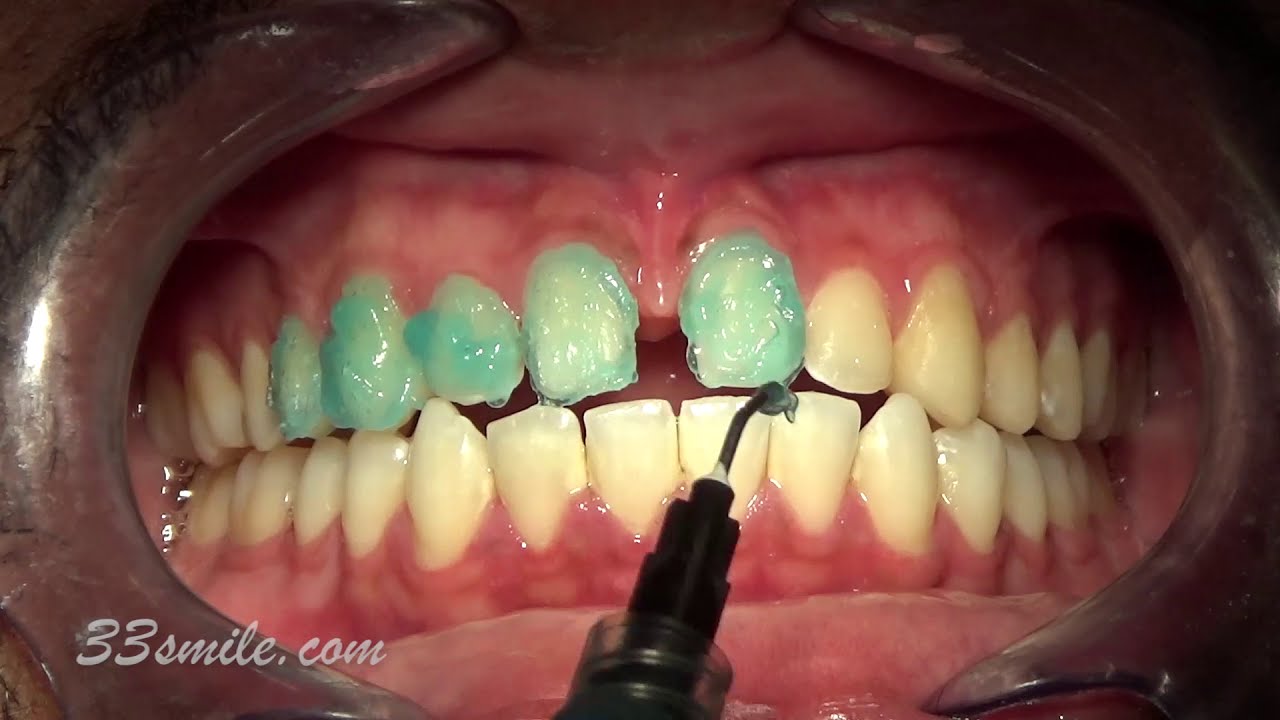
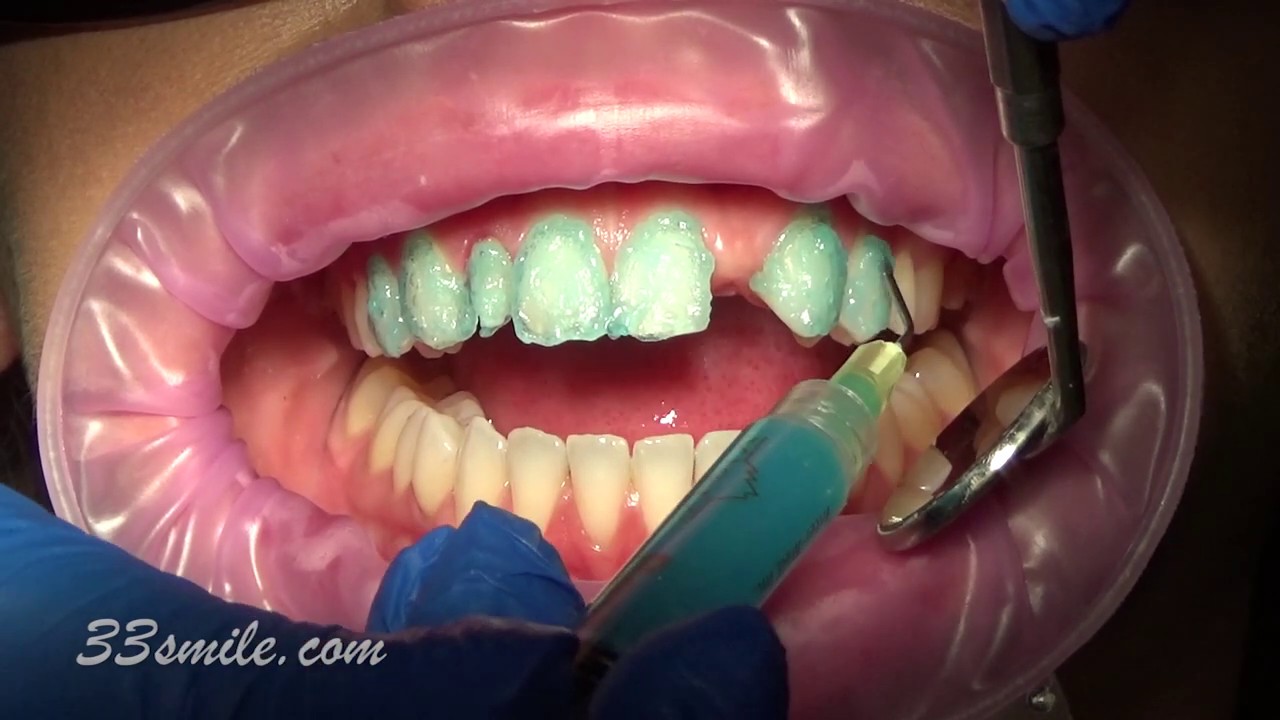
You may have heard that whitening your teeth can cause sensitivity in your teeth, but San Antonio teeth whitening expert Dr. John Moore, and Cosmetic Dental Associates are here to show you that you can whiten your teeth, while minimizing any sensitivity, leaving you with a dazzling smile.

How can you make my teeth less sensitive to whitening?

There are ways to reduce this temporary sensitivity and make whitening your smile that much more comfortable.


  1. Use toothpaste that has potassium nitrate as an ingredient, such as Pronamel or Sensodyne. This ingredient protects the nerve of the tooth and decreases the sensitivity to hot and cold.  The best results are seen when you use the toothpaste 1 week before whitening, during and 1 week after whitening.
     
  2. Chew sugar-free gum. Chewing gum stimulates saliva flow and helps to rehydrate the teeth after whitening.
     
  3. If you use the tray system, you may place a fluoride gel into your tray that your dentist can prescribe to you 4 minutes before bleaching and for 4 minutes after bleaching. The fluoride gel will help to harden the enamel and reduce sensitivity to hot and cold.
     
  4. The more you do whiten your teeth the intensity of the sensitivity will slowly begin to decrease. It is similar to going to the gym, the first time you are REALLY sore afterwards, but the more you workout the less sore you will be.

 
Teeth whitening is a budget conscious and safe way to give your smile that extra WOW factor. Speak to an associate at San Antonio cosmetic dentistry office Cosmetic Dental Associates today, to schedule an appointment for a teeth whitening consultation.

What Everybody Ought to Know About Smoking and Your Dental Health

Wednesday, February 2nd, 2011

Over 24.8 million men and 21.1 Million women in the United States smoke cigarettes. It is a well-known fact that smoking kills, in fact someone dies every 8 seconds from tobacco use.  But how does tobacco affect you when you are still alive? San Antonio cosmetic dentist Dr. John Moore lists some of the side effects of smoking below…

Black Hairy Tongue:

Occurs when the papillae (bumps on the tongue) grow longer and the excess tissue retains the stains of food and tobacco. The surface of the tongue actually changes in color to a very dark brown or even black. If you see this occurring start brushing your tongue twice a day and stay hydrated with clear liquids. Also smoking cessation and avoidance of dark food and liquids will helps to resolve the condition faster.  

Halitosis: AKA BAD BREATH!

Halitosis is described as noticeably unpleasant odors exhaled in breathing or talking. Having bad breath affects social habits, self-confidence and personal relationships. Smoking is a large contributor to halitosis and using mints, gum and mouthwashes just temporarily covers up the odor. Tongue brushing and good daily oral hygiene of brushing and flossing will help reduce the very unpleasant odor of cigarettes.

Smoker’s lines:

Smoking causes a decrease in collagen production and especially causes premature fine lines around the lips. These lines can be greatly reduced by the cessation of smoking. However CDA does offer Dermal Fillers that can eliminate those ugly smoker’s lines. This is especially a great treatment option for smoker’s that have recently quit and want to undue the damage.

Gum Disease:

If you are a smoker you are at high risk for developing chronic periodontal disease. The good news is that once you stop smoking you will gradually reduce the risk of getting gum disease. Smoking cigarettes reduces the blood flow, oxygen and nutrients to the gingival tissue, increasing the risk for infection and gum disease. In addition to causing tooth loss, and bone loss periodontal disease is also linked to heart disease, stroke, uncontrolled diabetes, respiratory disease and premature babies. Research has found that the more you smoke per day the more likely you are to develop gum disease. Gum disease is preventable and if you are a smoker who is thinking about quitting please talk to your dentist for help and advice.

Xerostomia AKA Dry mouth:

Dry mouth is also a side effect from smoking. It is the sensation of there being a less than normal amount of saliva in your mouth. Saliva is a natural antimicrobial, pH stabilizer and a lubricator for food. Less than normal amounts of saliva can cause malnutrition, dental problems and speech problems. Some common symptoms of dry mouth include difficulty swallowing, speaking, and taste disorders. There are oral moisturizers and mouthwashes that can help with the sensation but there is no definitive cure.