Author

Why do I have a dark spot on my tooth?

Tuesday, August 24th, 2010

Dark spots on teeth can be from a variety of reasons including:


 Cavities:

     Cavities occur when the bacteria in your mouth feed on sugars and carbohydrates and produce acids that cause decay. Tooth decay can affect all parts of the tooth, including the enamel, dentin and pulp. Food debris, food stains and decay products cause the dark color. Your dentist will remove all the bacteria and decay and replace the lost tooth structure with a tooth colored filling or crown.


  Staining:

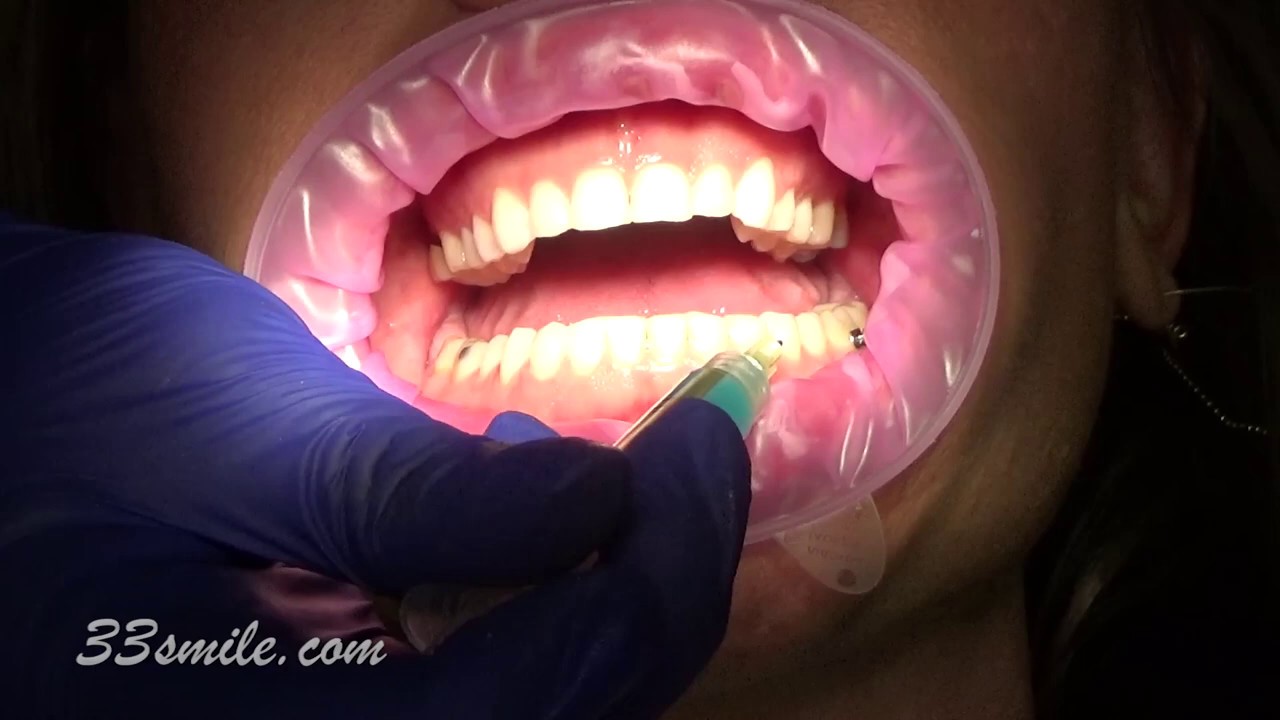
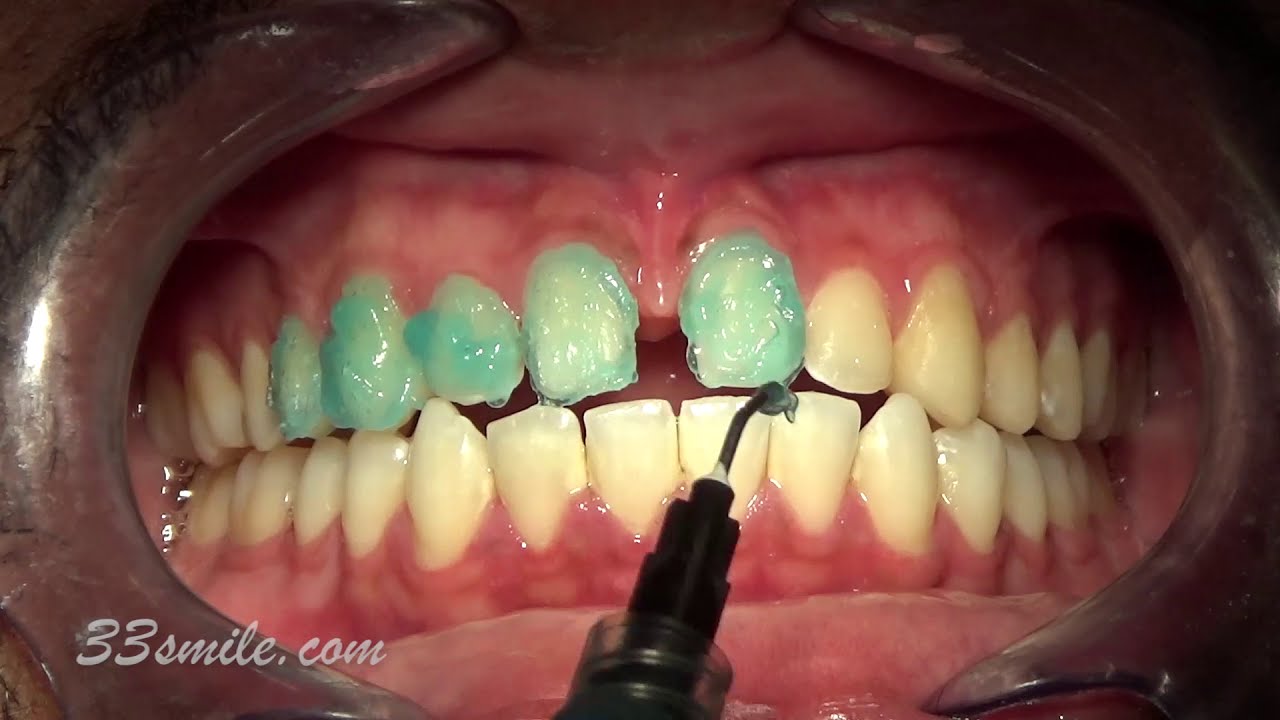
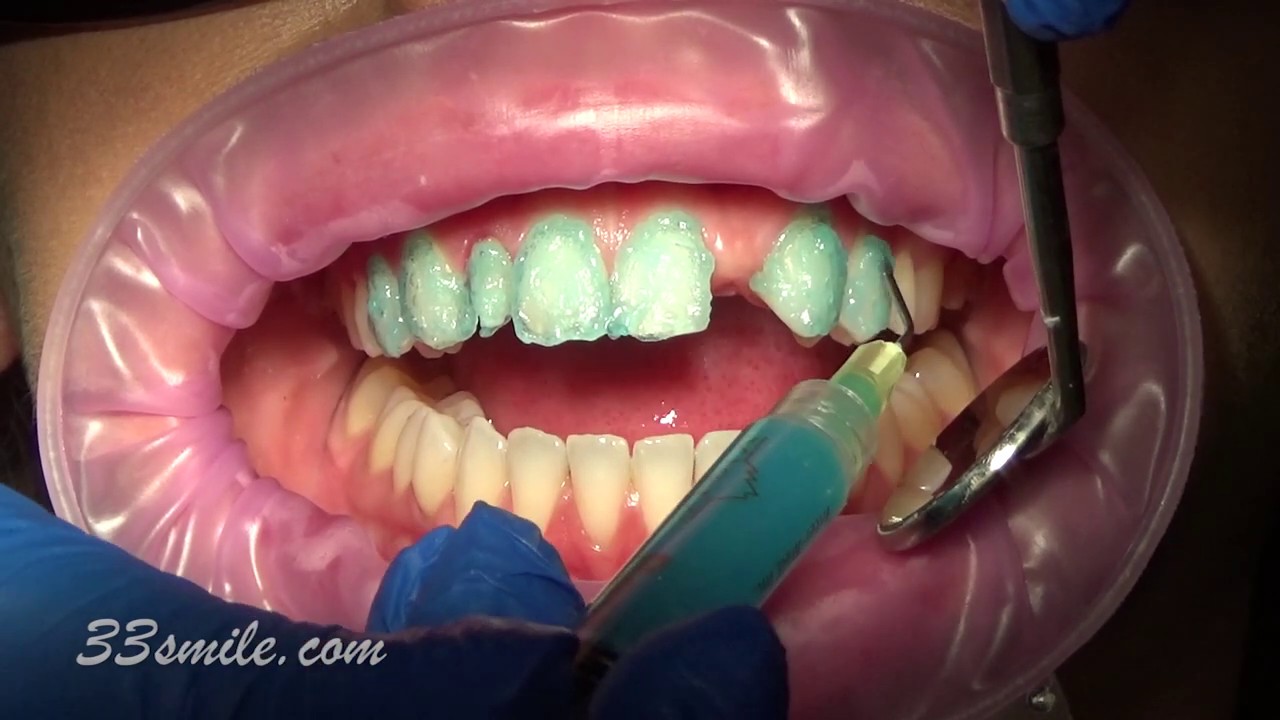
     Every day eating and drinking contributes to the staining on the outside of the tooth, what we call extrinsic stains. A person may be more susceptible to this type of staining if their diet consists of dark colored beverages like coffee, tea and red wine. Although regular dental cleanings can reduce extrinsic stains, the most predictable way is to go through a whitening regimen. At CDA we offer take home bleaching kits with custom fit bleaching trays and in office bleaching.


 Amalgam fillings:

      Amalgam fillings are also known as silver fillings. When a patient receives an amalgam filling over time corrosion and leakage occurs which actually changes the color of the tooth to a dark gray color. At CDA we offer tooth colored fillings, so nobody has to know about your filling except you and your dentist. We can replace your silver fillings with the tooth colored composite material or a Cerac restoration so you can have your white smile again.


 Previous Root Canal Treatment:

      Sometimes after a root canal a tooth may darken over time. This type of staining is different from stains on the outside of the tooth (extrinsic) in that it is actually coming from the inside of the tooth (intrinsic). So bleaching the enamel will not help. Internal bleaching is a treatment option for this condition. However the results with internal bleaching are not consistent. The most predictable and effective way to treat discoloration from inside the tooth is with porcelain crowns. A tooth may also have a dark spot if a root canal is needed. When the nerve in the tooth becomes infected, the infection can actually cause the nerve to die. When this happens we call it a necrotic pulp. A necrotic pulp can cause a dark spot on the tooth and is treated with a root canal and crown. With new technology and new materials a modern day root canal will not discolor you tooth. 

Do you have bad breath?

Wednesday, May 26th, 2010
Bad breath, also known as halitosis, can be caused by a variety of reasons. Whatever factor causing the halitosis may be one thing is for sure, it is unpleasant for you and those in your immediate environment. It could be the sign of something serious, or that you might need a simple cleaning. Whatever the case may be, the American Dental Association has supplied us with information on this subject and how to prevent and alleviate this issue.
 
Causes:
 
Certain types of food and dieting
Foods that contain garlic and onion are notorious for contributing greatly to this issue. Alcohol, dairy products, candies, mints, and most gum that are sugary also contribute to halitosis. Beverages such as coffee, tomato, orange, pineapple and grapefruit juices all contain acid, which can cause bacteria to reproduce at a faster rate.
 
Dry mouth also known as xerostomia
Dry mouth occurs when the flow of saliva decreases. Saliva is meant for cleansing the mouth of particles that would cause halitosis. Dry mouth can occur by breathing constantly through the mouth, certain medications or by a problematic salivary gland.
 
Tobacco products
Not only does tobacco stain teeth, cause bone loss and shrink gums, it causes bad breath. To find helpful tips on kicking this habit, consult with your dentist.
 
Medical disorders
The ADA has found that bad breath may be the sign of a medical disorder, such as a local infection in the respiratory tract, chronic sinusitis, postnasal drip, chronic bronchitis, diabetes, gastrointestinal disturbance, liver or kidney ailment. If you are using proper oral health techniques, and your mouth is determined to be healthy, you may be referred to a physician or specialist for further review.
 
Periodontal Disease
A major warning sign of periodontal disease, also known as gum disease, is constant foul-smelling breath. Gum disease is caused by plaque forming on teeth. The bacteria in plaque create toxins that irritate gums.
 
 
Taking corrective measures:
 
Brushing your teeth twice a day with fluoride toothpaste and flossing daily to remove bacteria that might collect are essential to maintaining good oral health. The ADA recommends two cleanings per year, and also brushing your tongue. For early detection of gum disease, dry mouth, or a medical disorder schedule a check up with your dentist.

Pucker Up San Antonio!

Wednesday, March 3rd, 2010
 
pucker up
  • Make a date. Our doctors and hygienists are very experienced at detecting and treating gum disease. Schedule an appointment now for an examination and gum evaluation. Remember, it is recommended to get a professional cleaning every 6 months. If you are unhappy with the appearance of your smile, CDA is one of the top Cosmetic Dental Offices in San Antonio and we can begin your smile transformation today.
  • Time to break up. Set a date to quit using tobacco. Smoking is not only a bad habit but it causes health problems and can stain your teeth. If you have some discoloration schedule and appointment for a whitening. CDA offers two types of whitening. We offer in-office whitening and take-home whitening kits. Both options are very effective ways to whiten your teeth.
  • Freshen Up. Brushing and flossing are the key ingredients for good dental health. Try to always brush your teeth for at least two minutes and angle your toothbrush about 45 degrees to effectively remove plaque. Brushing your tongue will also help keep your breath nice and fresh.
  • Go sugar free. Reduce your intake of snacks and drinks with high sugar content. Constant snacking and sipping on soda, sports drinks and energy drinks can significantly raise your risk for cavities. A mouth full of untreated cavities can lead to more serious problems and a lot of pain.
  • Watch your mouth. Dry mouth increases plaque buildup. Chewing sugar-free gum and rinsing with an alcohol-free mouth wash helps increase saliva flow and reduce plaque build up. Schedule and appointment to determine what might be causing your dry mouth.

February is National Children’s Dental Health Month!

Thursday, February 11th, 2010

Fun Facts from Your Dentist!

  • China sets aside September 20th as a national holiday known as “Love Your Teeth Day."
  • During the Middle Ages in Germany, you were advised to kiss a donkey in order to relieve your toothache.
  • Lucy Hobbs was the first woman in the world to earn a D.D.S. degree from a dental school and become a certified dentist. The year was 1866 and the school was the Ohio College of Dental Surgery in Cincinnati, OH.
  • Long ago, people used ground-up chalk or charcoal, lemon juice, ashes or even a mixture of tobacco and honey to clean their teeth. It was only about 100 years ago that someone finally created a minty cream to clean teeth.
  • The average life span of a taste bud is ten days.
  • A third of the population squeezes the toothpaste tube from the middle.
  • A snail can have about 25,000 teeth on its tongue.
  • Pigs have 44 teeth.


Click for a fun coloring activity! activity_coloring_sheet_en

The only San Antonio Dentist with a full service lab.

Thursday, January 14th, 2010

Since 1986, Cosmetic Dental Associates has offered our clientele a truly unique approach to their dental needs by bringing together the latest in computer technologies and world class technicians. With more than 45 years combined laboratory experience, the art and science of spectacular, life-like restorations has been elevated to new levels. This is why CDA is able to design, craft and fully customize each restoration to every person’s unique situation while in the dental office.

The CDA dental lab consists of three lab technicians that work together to create beautiful teeth and smiles. The CDA lab team members are Karen who does the model work, Mingo who does the metal finishing and waxing and Susan who does the porcelain finishing.

“The most fulfilling part my job is creating a smile that the patients will enjoy forever and knowing their life will now be impacted because of my work,” said Mingo, CDA’s Lab Director.

Creating the teeth requires several careful steps and demands that all three lab members work together to make the teeth.

First, the dentist takes the impression of the teeth after prepping them. Then the impression goes to Karen, who pours stone into the impression, which will harden and become a duplicate of the patient’s mouth. Then, the stone mold goes to Mingo who uses the WaxRite machine to make a pattern of the tooth. The wax pattern is then put into a ring, which is filled with a plaster mold material. The wax is then melted out of the ring by putting it in to a burnout furnace. After the wax is burned out, melted metal is forced into the mold to create a super strong surgical grade frame. It is then covered with opaque porcelain and then sent to Susan who does the final steps. She meticulously applies porcelain to the opaque frame creating a beautiful natural sculpting of a tooth. This tooth then goes to one of our highly trained dentists, who uses it to give you a perfect smile.

Having our own full service dental lab is a part of our pride as premier San Antonio dentists and it is because of all this that CDA is able to consistently achieve beautiful lasting results for every individual patient in one or two visits.